


Your pet cannot explain pain or fear. You see the changes, and you worry. A quiet cat stops eating. A playful dog starts limping. You wonder if it will pass or if you should call a veterinarian in Southwest Winnipeg. This question sits heavily on many pet owners. Some wait. Some search online. Some feel shame for not noticing sooner. You do not need shame. You need clear signs and simple steps. This blog walks through four common conditions that most veterinary clinics see every day. You will learn what to watch for, when to act, and what treatment often looks like. You will also see how early care protects your pet from long suffering. Each condition sounds common. Yet each one can turn serious if you ignore it. You deserve clear guidance. Your pet deserves calm, steady care.
1. Skin Problems and Allergies
Skin problems are one of the most common reasons you visit a clinic. You might see your dog scratching all night. You might see your cat licking one spot until the fur is gone. The skin can look red, flaky, or ooze clear fluid.
Common signs include:
- Constant scratching or licking
- Red or scabby spots
- Hair loss in patches
- Strong odor from the skin or ears
Causes can include fleas, food reactions, pollen, or contact with cleaning products. You cannot see all of these with your eyes. You might treat only the itch and miss the cause. That delay can lead to infection and deep pain.
Your veterinarian may suggest:
- Flea control and cleaning of bedding
- Prescription shampoo or ear cleaner
- Change in food
- Blood work or skin tests if signs keep coming back
The U.S. Centers for Disease Control and Prevention explains that good flea control and clean home habits protect both pets and people. You protect your family when you treat skin problems early.
2. Stomach Upset and Diarrhea
Vomiting and diarrhea are very common in dogs and cats. Sometimes the cause is simple. Your dog stole food from the trash. Your cat chewed on a plant. Other times, the cause is serious and hidden.
Watch for:
- Vomiting more than once in a day
- Blood in stool or vomit
- Refusal to eat or drink
- Weakness or shaking
Stomach upset can come from food changes, infections, parasites, or foreign objects. A young dog that chews toys can swallow pieces. A cat can swallow a string. These can block the gut and cut off blood flow. That turns into an emergency.
Your veterinarian may use:
- Physical exam and gentle pressure on the belly
- Fecal tests to check for parasites
- X-rays or ultrasound to look for blockages
- Fluids and medicine to control nausea
You should seek urgent care if vomiting is constant, if your pet seems weak, or if there is blood. Quick action can prevent organ damage and long hospital stays.
3. Dental Disease and Mouth Pain
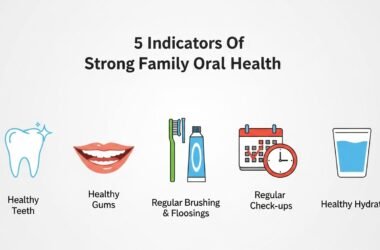
Many pets live with mouth pain for years. You might smell bad breath and think it is normal. It is not. Dental disease is very common and very painful.
Signs include:
- Bad breath
- Yellow or brown buildup on teeth
- Dropping food while eating
- Pawing at the mouth
The American Veterinary Medical Association states that most dogs and cats have some dental disease by age three. You may not see the full damage. Infection can spread under the gums and into the jaw and blood.
Treatment usually includes:
- Dental cleaning under anesthesia
- Removal of loose or infected teeth
- Pain control before and after the procedure
- Home brushing or dental treats as advised
Early care means shorter cleanings and fewer extractions. Waiting can lead to broken jaws, deep infection, and heart or kidney strain.
4. Joint Pain and Arthritis
Joint pain grows slowly. You might think your dog is just old. You might think your cat is just lazy. Often, the truth is that movement hurts.
Common signs include:
- Stiffness when getting up
- Reluctance to use stairs
- Less interest in play
- Slow walks and lagging behind
Arthritis wears down the cushion in joints. Bone rubs on bone. Muscles tighten to protect the joint. This creates a cycle of pain. Your pet may hide it until the pain is severe.
Your veterinarian may suggest:
- Weight control to ease strain on joints
- Pain relief medicine
- Joint supplements as advised
- Controlled exercise such as short walks
Early support lets your pet move with more comfort. That movement helps maintain muscle and balance. You reduce the risk of falls and injuries.
Comparison of Common Conditions
| Condition | Early Sign You Might See | Risk If You Wait | Typical Clinic Care
|
|---|---|---|---|
| Skin problems and allergies | Itching, red patches, hair loss | Infection, open sores, deep pain | Flea control, medicated washes, tests, medicine |
| Stomach upset and diarrhea | Loose stool, vomiting, loss of appetite | Dehydration, organ damage, surgery for blockages | Fluids, tests, imaging, diet changes, medicine |
| Dental disease and mouth pain | Bad breath, difficulty chewing | Tooth loss, infection spread, jaw damage | Dental cleaning, extractions, pain control |
| Joint pain and arthritis | Stiffness, slow movement, less play | Muscle loss, falls, chronic pain | Weight control, pain relief, exercise plan |
When You Should Call the Clinic
You know your pet best. Any sudden change that lasts more than a day deserves a call. Trust your concern. It is easier and cheaper to treat small problems early than to face a crisis later.
Call your veterinarian right away if you see:
- Refusal to eat or drink for a full day
- Trouble breathing
- Collapse or inability to stand
- Repeated vomiting or diarrhea
- Large open wounds or heavy bleeding
You do not need to decide alone. A short phone call can guide your next step. Your concern shows deep care. Your pet depends on you to act when something feels wrong.