


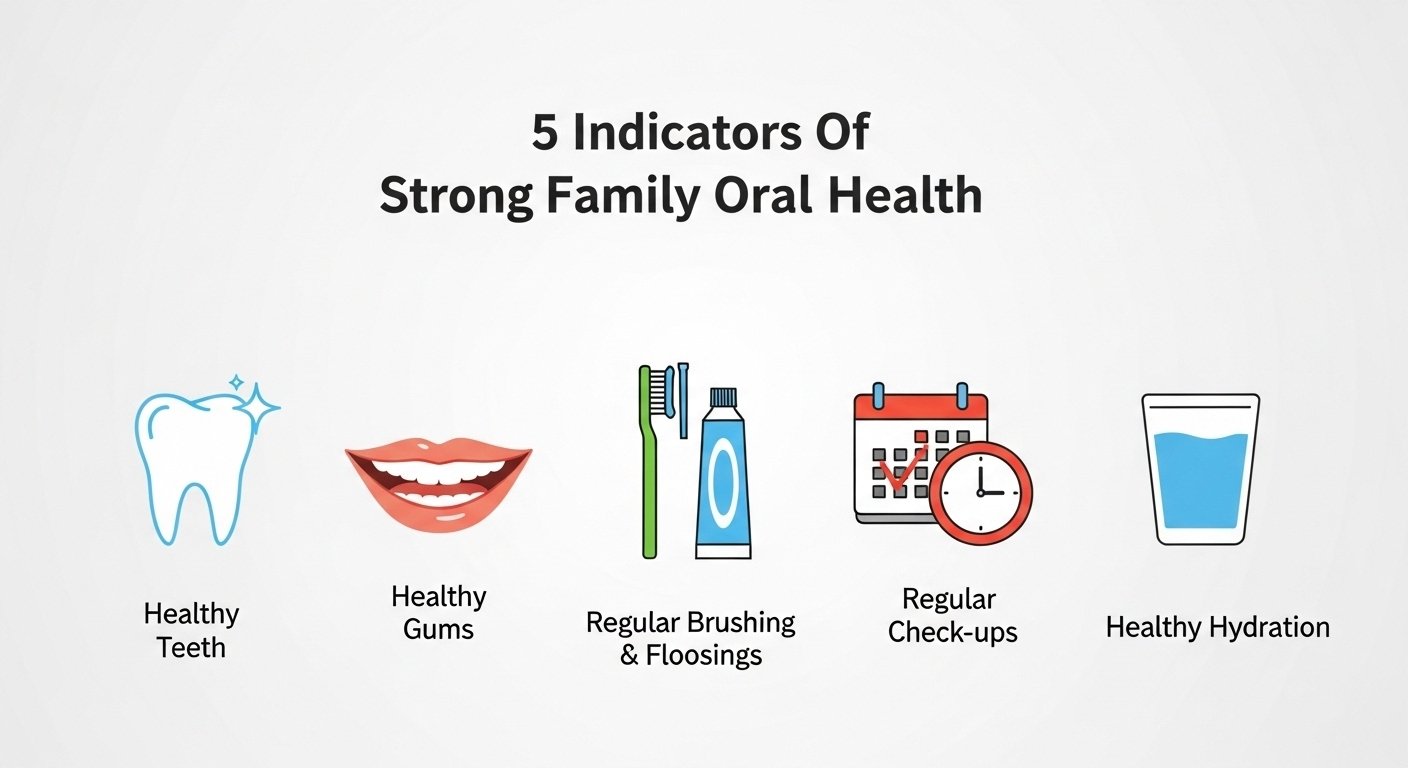
Strong family oral health shows in small daily choices. You brush, you floss, you show up for checkups. You also notice how your family talks about teeth. You hear less fear and more calm. A strong routine protects your children from pain, missed school, and costly treatment. It also lowers your own stress. You stop waiting for the next dental emergency. Instead, you feel prepared. This blog shares five clear signs that your family is on the right track. Each sign is simple, practical, and easy to spot at home. You will see how habits, food, and regular visits all connect. You will also see when it is time to ask for help. A Riverview family dentist can support you, but the real strength starts in your home. Use these indicators to check where you stand and where you want your family to go next.
1. Everyone brushes twice a day and flosses once
Strong family oral health starts with what happens at the sink. You see a clear routine in the morning and at night. You do not rely on memory. You use habits.
Clear signs include:
- Each person has a toothbrush in good shape
- Fluoride toothpaste is on every sink
- Floss or floss picks are easy to reach
The American Dental Association explains that brushing twice a day with fluoride toothpaste cuts the risk of tooth decay for children and adults.
You help your family stay on track when you:
- Set brushing times that match your schedule, such as after breakfast and before bed
- Brush with young children so they copy your hand motions
- Use a timer so everyone reaches two full minutes
If someone skips often, treat that as a warning sign. Patterns of missed brushing lead to cavities, gum problems, and bad breath. Regular care is not about perfection. It is about steady effort, every day.
2. Snacks and drinks support teeth, not harm them
Strong family oral health shows up in your kitchen. Your food and drink choices either feed tooth decay or fight it. You see fewer sweet drinks and sticky snacks. You see more water and simple foods.
Watch three things.
- How often your family eats or drinks sugar
- What kind of snacks you buy
- What you serve between meals
The Centers for Disease Control and Prevention reports that frequent sugar use raises the chance of cavities in children and adults.
Common Snacks And Their Impact On Teeth
| Snack or Drink | Effect On Teeth | Stronger Choice
|
|---|---|---|
| Soda or sports drinks | Coats teeth with sugar and acid | Plain water or milk |
| Fruit snacks or gummy candy | Sticks to teeth and feeds decay | Fresh fruit in slices |
| Cookies and pastries | High sugar that lingers in the mouth | Cheese, nuts, or yogurt |
| Constant grazing all day | Keeps acid level high in the mouth | Set snack times with water in between |
When your pantry supports your teeth, you know your family is on solid ground.
3. Dental visits are on a steady schedule
Strong family oral health shows in your calendar. Checkups and cleanings are already booked. You do not wait for pain. You prevent it.
Signs that your schedule supports good oral health:
- Each child sees a dentist at least once a year
- Adults attend routine cleanings as advised
- You follow through on suggested treatment
Missed visits lead to hidden problems. Cavities grow. Gum disease spreads. A small fix turns into a root canal or lost tooth. Regular visits catch trouble early and keep your costs lower over time.
You can support this habit when you:
- Book the next appointment before leaving the office
- Use reminders on your phone or a wall calendar
- Keep a simple folder with dental records and notes
When your family treats dental visits like school or work, not like a choice, oral health stays strong.
4. Mouths are free from pain, bleeding, and bad breath
Strong family oral health feels calm. No one hides mouth pain. No one avoids certain foods because chewing hurts. Gums do not bleed during brushing. Breath smells clean after routine care.
Watch for warning signs:
- Bleeding gums when brushing or flossing
- Ongoing bad breath even after brushing
- Sensitivity to hot, cold, or sweet food
- White or brown spots on teeth
These signs point to early disease. They do not mean you failed. They mean it is time for quick action. You can tighten up brushing, adjust snacks, and call your dentist.
Children may not speak up. You may notice changes in how they eat or talk. They may chew on one side or avoid cold drinks. Treat that as a clear signal to check their mouth and schedule a visit.
When your family can eat, smile, and sleep without mouth problems, that is a strong indicator that your routines work.
5. Teeth and mouths are part of everyday talk
Strong family oral health shows in how you talk. Teeth are not a secret or a source of shame. You speak about brushing, snacks, and visits in a calm, steady way.
Healthy patterns include:
- You remind each other about brushing without anger
- You explain dental visits to children in simple terms
- You praise effort, such as flossing more often
This open talk builds trust. Children learn that caring for teeth is a normal part of health, like washing hands or wearing a seat belt. They see that you take their questions and fears seriously.
You can support strong talk when you:
- Share your own checkup stories in simple words
- Use books or short videos about teeth for young children
- Set family goals, such as a brushing chart on the fridge
When your home treats oral care as normal and safe, your children grow into adults who protect their own teeth without fear.
Putting the five indicators to work
You can use these five indicators as a quick home check.
- Daily care at the sink
- Food and drink choices
- Regular visits
- Comfort in the mouth
- Open talk about teeth
Pick one indicator that feels weak right now. Then choose one small change. Set a new brushing time. Replace one sweet drink with water. Call to book overdue checkups.
Small, steady steps change your family’s health. Your choices today shape your children’s teeth for decades.