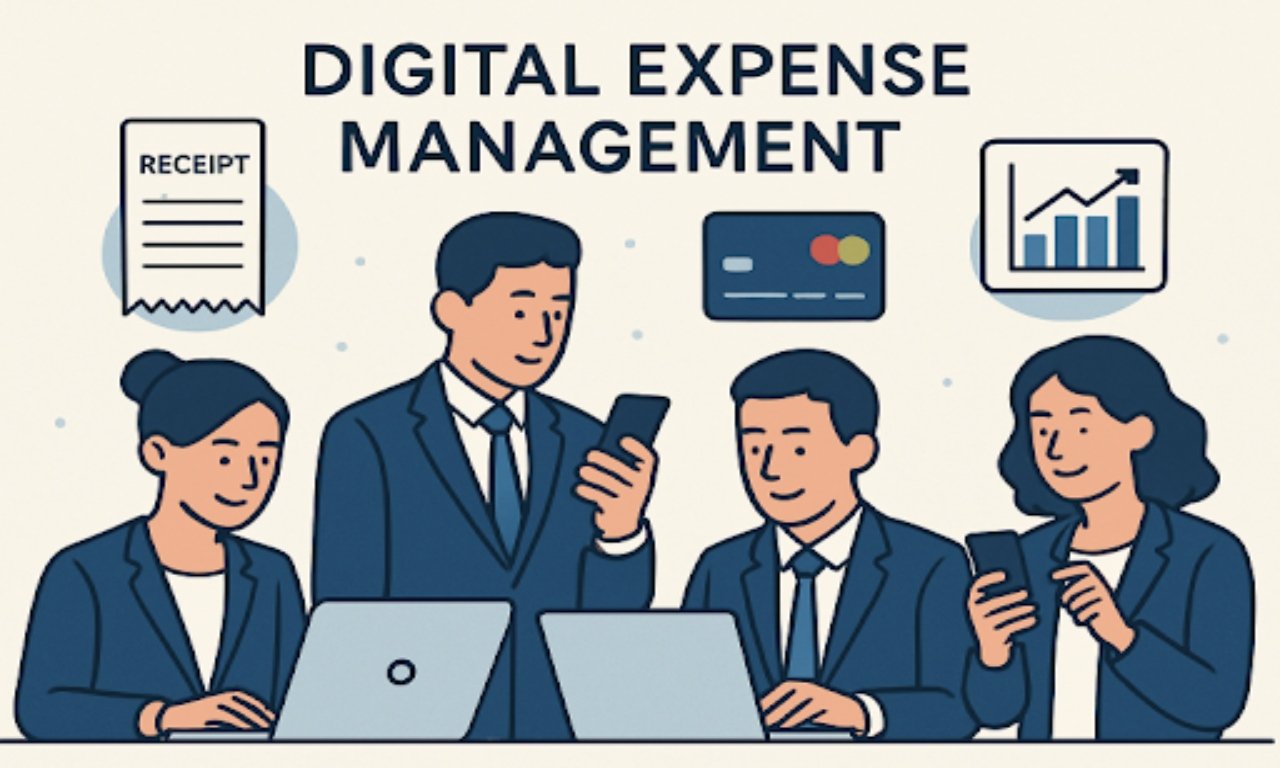
Modern businesses face an ever-evolving landscape of financial demands, making effective expense management more critical than ever. To maintain profitability and support growth, companies must leverage advanced tools and methods that simplify oversight without sacrificing control. Solutions like automated systems and employee expense tracking can enhance accuracy and visibility, ultimately strengthening organizational efficiency and financial health.
Innovative expense management is not just about cutting costs. It is about leveraging new technologies to create transparency and enable strategic decision-making. With the right approach, organizations can automate repetitive processes, stay compliant with spending policies, and monitor expenses in real time. This not only streamlines operations but also significantly reduces the risk of errors and fraud.
Achieving optimized expense management requires adopting new tools, educating employees, and regularly auditing processes. Clearly defined practices and a focus on innovation will drive accountability at all organizational levels. In today’s business climate, ignoring these essentials can lead to preventable financial losses and missed growth opportunities.
Equipping teams with the latest digital tools ensures that expense workflows are aligned with company objectives. By integrating new solutions into existing systems, businesses can achieve greater financial agility while strengthening compliance and oversight.
Automate Expense Tracking
Manual expense tracking is vulnerable to frequent errors, lost receipts, and delayed reimbursements. Automating the expense-tracking process with software that includes Optical Character Recognition (OCR) can completely transform how companies handle financial claims. By automatically capturing and recording expenses directly from receipts and invoices, businesses not only minimize errors but also significantly reduce the administrative burden on employees and finance staff. Automation accelerates reimbursement times and ensures compliance with company policies.
Establish Clear Spending Policies
Clear and accessible spending policies are essential for controlling costs and promoting a culture of accountability across the business. These policies should outline permitted spending categories, approval workflows, reimbursement limits, and deadlines for expense submission. Providing all employees with easy-to-understand guidelines can reduce unauthorized or out-of-policy spending, avoid confusion, and set expectations for responsible financial behavior. When employees know exactly what is allowed, expenses become more predictable and audits easier to conduct.
Utilize Virtual Credit Cards
Virtual credit cards provide businesses with a secure, highly flexible tool for managing spending on a departmental or individual basis. Each virtual card can be issued for a specific use case, with pre-set spending limits and expiration dates. This real-time control enables managers to monitor transaction activity and make instant adjustments as needed. Should any suspicious activity occur, cards can be deactivated immediately, helping to prevent fraud and unauthorized purchases. According to a recent article in The Wall Street Journal, using virtual cards can significantly reduce business payment fraud while making reconciliation far more straightforward.
Integrate with Existing Systems
For maximum efficiency, expense management solutions should integrate seamlessly with a company’s ERP and accounting systems. Unified data flows eliminate double entry and provide real-time visibility into all business financials. By reducing manual touchpoints, integration also reduces the likelihood of errors and enables management to forecast, report, and analyze spend more accurately across categories and teams. This leads to more proactive budgeting and better strategic planning.
Leverage AI and Machine Learning
Artificial Intelligence (AI) and Machine Learning (ML) technologies are redefining how businesses track and analyze expenses. AI-driven systems can automatically sort, classify, and match expenses to company policies, flagging anomalies or unusual activity for review. These tools can forecast budget needs and spot trends before they become costly, supporting both compliance and long-term financial stability. According to Harvard Business Review, AI reduces manual expense processing by up to 80 percent and increases reporting accuracy, both of which are crucial for scaling organizations.
Implement Real-Time Reporting
Timely and accurate reporting is critical to modern expense management. Real-time dashboards provide leaders with instant visibility into spending by team, project, or individual, enabling proactive response to trends or outliers. This agility allows for swift course corrections and prevents minor issues from becoming major financial drains. Immediate access to data also supports compliance, as discrepancies are identified and handled without delay.
Train Employees on Expense Management
Investing in employee education is vital to the success of any expense management program. Training should cover the ins and outs of policy, allowed expenses, receipt documentation, the use of digital tools, and submission protocols. When everyone understands the process and the reasoning behind rules, compliance increases, and the risk of accidental errors decreases. Periodic refresher sessions are also beneficial for addressing policy updates and new software rollouts.
Regularly Review and Audit Expenses
Regular audits are among the most effective tools for uncovering fraud, unauthorized expenditures, and opportunities for cost reduction. By reviewing expenses on a scheduled basis, companies can quickly identify deviations from policy and take corrective action. Frequent reviews also support regulatory compliance and prepare organizations for external financial scrutiny. These insights empower leaders to refine budgets and allocate resources more effectively over time, fostering a culture of continuous improvement in financial management.
By embracing these smart expense management practices, businesses can drive both short-term savings and long-term growth, positioning themselves for sustained success in a highly competitive economy.