


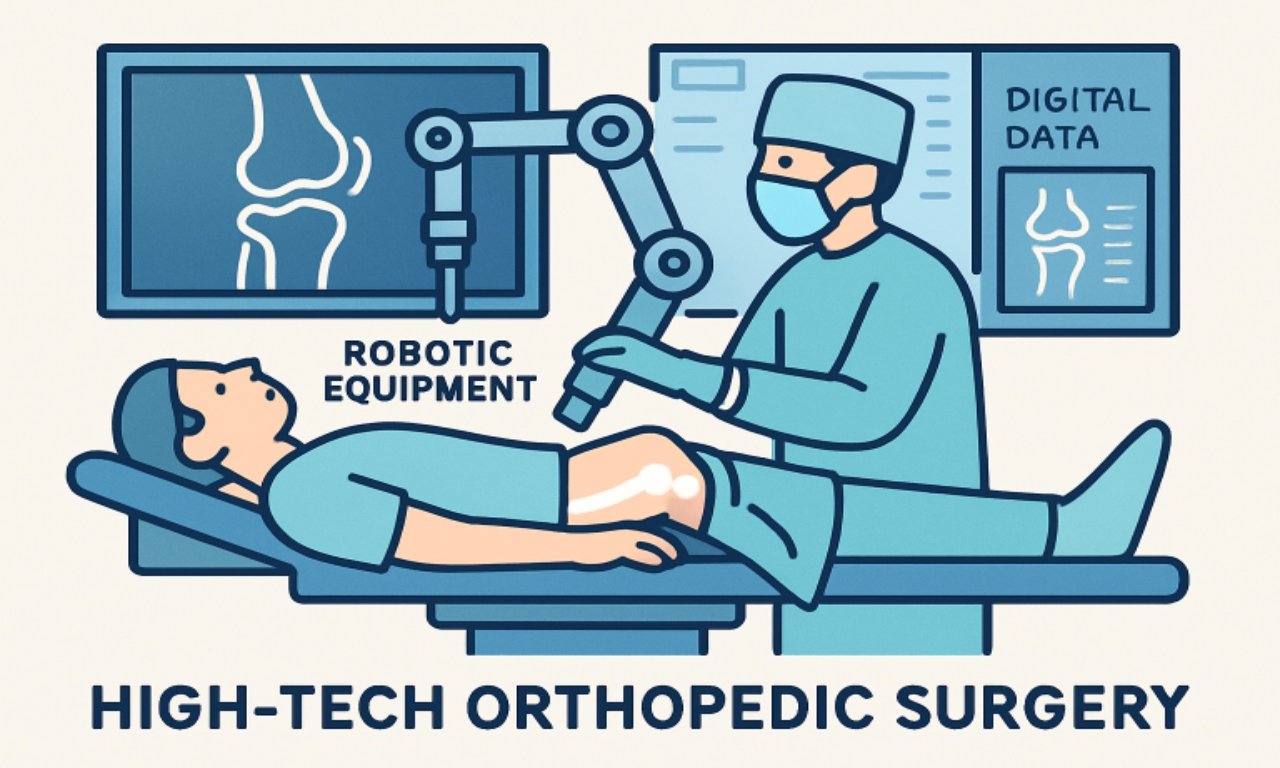
Orthopedic surgery is experiencing rapid advancements, embracing new technology and clinical expertise to improve outcomes for patients experiencing musculoskeletal issues. Whether for aging adults with degenerative joint problems or athletes facing acute injuries, innovative solutions are reshaping the field. Patients seeking orthopedic surgery in Tulsa for sports injuries and trauma care now have access to leading-edge techniques that support both surgical precision and a faster recovery.
These ongoing transformations are not only making surgeries safer and less invasive but are also streamlining the entire treatment and rehabilitation process. Enhanced imaging, robotics, artificial intelligence, and personalized implants are just a few of the advancements contributing to this evolution, helping reduce complications and optimize recovery for diverse populations.
As healthcare shifts toward value-based outcomes, orthopedic teams are integrating digital technologies, data analytics, and advanced biomaterials to ensure high-quality care tailored to individual needs. Patients benefit not only from reduced postoperative pain and downtime but also from more predictable results and empowered decision-making.
This article examines the leading advancements currently shaping orthopedic surgery and rehabilitation, offering insight into what patients, families, and referring physicians can expect as the standard of care continues to improve.
Robotic-Assisted Surgeries
Robotic-assisted systems are transforming the way orthopedic surgery is performed, providing surgeons with enhanced accuracy and control during procedures. Using advanced imaging and computer software, these systems create a detailed 3D map of the patient’s anatomy, enabling precise planning and execution of surgery. Particularly in joint replacements, robotics helps achieve more precise alignment and positioning of implants, which promotes joint longevity and reduces the likelihood of revision surgery. According to The Wall Street Journal, robotic joint replacement is gaining popularity due to its favorable outcomes, including lower complication rates and improved recovery times.
The use of 3D printing in orthopedics has revolutionized the production of custom implants tailored to an individual’s anatomy. Surgeons can design and manufacture implants that precisely fit unique skeletal structures, which is especially important for patients with congenital deformities or who require complex reconstructions. These custom implants offer superior fit, better biocompatibility, and tend to integrate more naturally with bone, reducing the risk of implant loosening or failure. Customization and faster production also mean patients wait less between diagnosis and surgery, facilitating quicker recovery and more confident outcomes.
Minimally invasive surgical approaches represent a significant advancement, utilizing smaller incisions and specialized tools to access joints or bones. Compared to traditional open surgeries, these techniques cause less trauma to surrounding tissues, resulting in reduced pain, faster mobilization, and shorter hospital stays. Procedures such as arthroscopy, used to repair ligaments or cartilage, as well as percutaneous fracture fixation, minimize visible scarring and risk of infection. A Mayo Clinic overview confirms these approaches often result in improved patient satisfaction and more rapid resumption of daily activities.
Artificial Intelligence in Preoperative Planning
Artificial intelligence (AI) is fundamentally altering how orthopedic surgeries are planned. By analyzing large datasets from X-rays, CT scans, and MRIs, AI tools can identify optimal surgical paths and predict potential complications, allowing surgeons to make data-driven decisions for both routine and complex cases. AI-based platforms simulate outcomes, generate personalized implant plans, and can even monitor intraoperative progress. This technology reduces the likelihood of errors, shortens operating times, and supports better patient outcomes.
The introduction of smart sensors and tracking devices into orthopedic implants represents a paradigm shift in postoperative care. These implants continuously collect data on movement patterns, stress distribution, and patient adherence to rehabilitation protocols, enabling surgeons and physical therapists to customize recovery plans in real-time. Some smart implants can even alert both patients and clinicians to signs of infection or mechanical issues before symptoms emerge, facilitating faster interventions and ultimately improving long-term success rates.
Enhanced Rehabilitation Methods
Rehabilitation following orthopedic surgery is now benefiting from advancements in technology, including virtual reality (VR), wearable trackers, and remote physiotherapy platforms. VR-based rehab gamifies therapeutic exercises, increasing motivation and patient adherence, while AI-equipped wearables offer instant feedback on range of motion and load distribution. These advances enable patients to safely rehabilitate at home under remote supervision, thereby reducing the burden of frequent office visits and facilitating an earlier return to work or athletics. Wearables also help therapists adjust exercises as healing progresses, ensuring no time is wasted on ineffective routines.
Outpatient Migration of Orthopedic Surgeries
Fueled by breakthroughs in anesthesia and postoperative pain control, an increasing number of orthopedic surgeries are now performed on an outpatient basis. This shift reduces hospital-associated risks, lowers costs, and lets patients recover in the comfort of their own homes. Outpatient care has become especially common for minimally invasive joint replacements, arthroscopic repairs, and smaller fracture fixations. The move reflects a growing emphasis on efficiency, patient-centered care, and resource optimization within modern orthopedic surgery.
Final Thoughts
A focus on accuracy, efficiency, and personalized patient care characterizes the continuing evolution of orthopedic surgery. Robotic systems, AI planning, custom implants, minimally invasive surgeries, and smart rehabilitation tools are only the beginning of what’s possible. As orthopedic teams embrace innovation, patients can expect less pain, safer procedures, and faster, more predictable recoveries—marking the beginning of a new era in musculoskeletal health.