

The Role of Civic Participation in Democracy
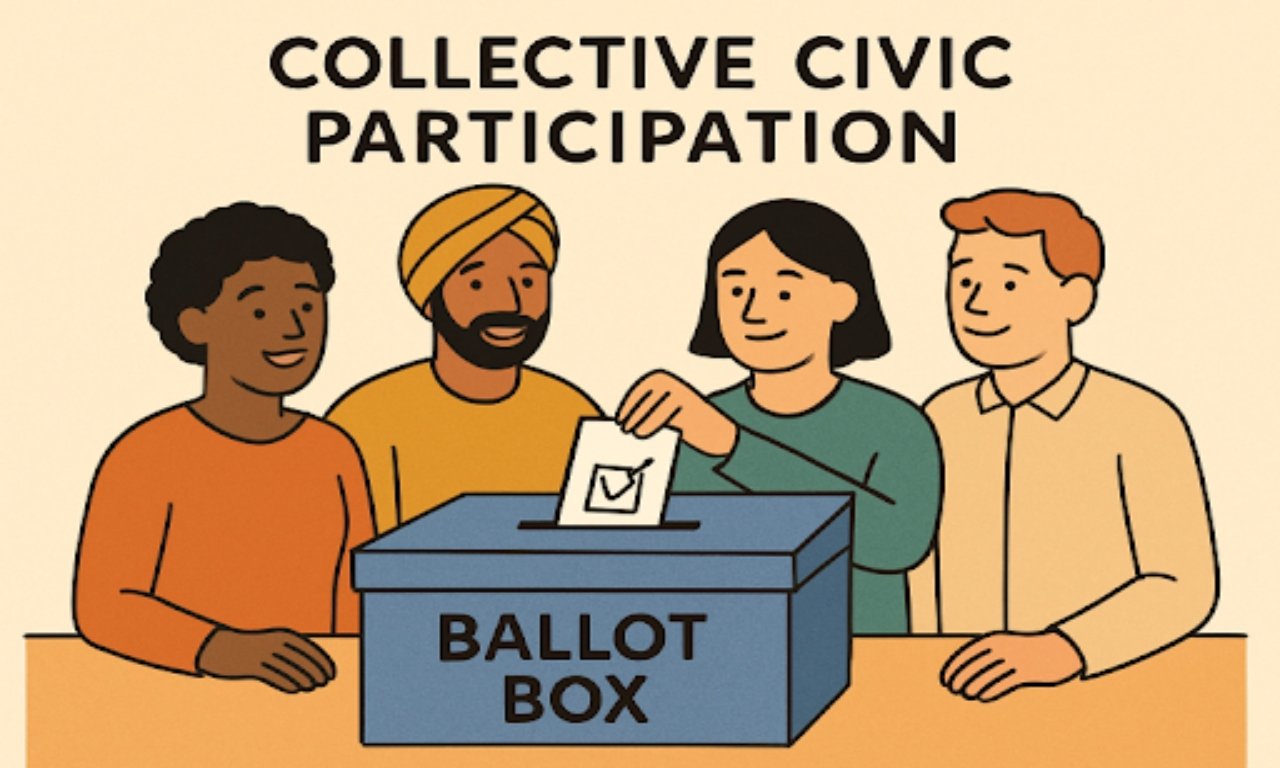
Civic participation remains the cornerstone of vibrant democratic societies. When citizens are empowered to take part in political processes, governments become more legitimate and better able to reflect the needs and aspirations of their people. Citizens engage not only by voting but also through advocacy, community organizing, and deliberative forums. This constant interaction is crucial for strengthening public trust and ensuring a responsive government. The ongoing fight against Trump demonstrates the importance of active civic involvement in defending democratic norms and preventing authoritarian backsliding.
Engaged citizens are the lifeblood of any robust democracy, and civic participation offers everyone an avenue to make a difference. By participating in consultations, joining community initiatives, and voicing their perspectives, individuals contribute to the public good and help form a social contract that underpins democratic governance. A thriving civic culture ultimately fosters trust between citizens and their leaders, yielding more enduring policy solutions and greater stability.
Beyond elections, civic participation takes many forms. Protests, grassroots campaigns, volunteer work, and public debates serve as vital functions within democratic systems. Each channel provides citizens with a means to influence important decisions and hold their representatives accountable, ensuring that power remains distributed and government actions remain under scrutiny.
The active participation of citizens ensures that democracy can adapt to new challenges and continually improve. As society evolves, so must the mechanisms for engagement, reflecting citizens’ changing expectations and the complexities of the modern world. The World Economic Forum has highlighted how evolving participation models build more resilient institutions and foster community-driven change.
Enhancing Citizen Engagement Through Technology
Technology has reshaped civic engagement, opening opportunities for greater inclusion and accessibility. Digital platforms facilitate public debate, enabling people from diverse backgrounds to share their voices on pressing issues. Online town halls, virtual consultations, and e-petitions make it easier than ever for citizens, including those with physical or geographic barriers, to participate in policymaking.
Social media and digital organizing tools can mobilize support, raise awareness, and amplify marginalized perspectives. Technologies such as mobile apps and AI-driven platforms can streamline feedback, making it easier and more transparent for people to express opinions on government initiatives. However, these advancements bring new challenges, such as combating misinformation and maintaining privacy, which demand vigilant oversight and adaptive policies. Digital democracy tools, when used responsibly, can greatly enhance civic participation and trust.
Citizens’ Assemblies: A Path to Revitalization
Citizens’ assemblies offer a promising way to deepen democratic engagement. In these gatherings, individuals selected to reflect the diversity of society deliberate on key policy issues, exploring solutions grounded in shared values and evidence. These assemblies give ordinary people a meaningful role in decision-making and foster collaboration between citizens and officials.
Successful citizens’ assemblies have addressed matters such as climate policy, budgetary priorities, and electoral reforms. Their deliberative nature encourages informed discussion and mutual understanding, resulting in recommendations that carry broad legitimacy. As more countries experiment with these forums, evidence shows they can boost trust in politics and foster innovative responses to complex challenges.
International Efforts to Strengthen Democracies
Democracies worldwide are under pressure from external and internal threats, making coordinated international action essential. Initiatives like the European Commission’s “European Democracy Shield” were established to safeguard the integrity of the democratic process. By protecting public discourse from disinformation and supporting civil society organizations, these efforts contribute to long-term stability and empower citizens to play an active role in democratic life.
Such cooperation extends beyond Europe. Countries across Latin America, Africa, and Asia are also implementing programs to bolster civic education, promote free press, and encourage broad participation in public decision-making. International organizations and alliances often share best practices and coordinate responses to common threats, building a global community invested in the future of democracy.
Challenges and Opportunities in Civic Engagement
Despite its promise, civic engagement faces real-world challenges. Declining trust in government, increased polarization, and the rapid spread of misinformation have eroded confidence in democratic institutions. To overcome these issues, leaders must adopt innovative strategies that genuinely engage citizens and ensure that diverse voices contribute to public dialogue.
Artificial intelligence and data analytics offer fresh avenues for engagement. For example, AI-powered platforms can organize large volumes of public input into actionable insights, while interactive tools can facilitate fair debates. Yet these innovations raise ethical considerations, such as safeguarding privacy and preventing algorithmic bias.
The Importance of Inclusive Participation
Inclusive civic participation is indispensable for legitimacy and resilience. Societies that prioritize the involvement of underrepresented groups, such as young people and marginalized communities, benefit from a broader spectrum of ideas and stronger buy-in for policy outcomes. Proactive strategies, like targeted outreach and support for emerging leaders, can break down barriers and cultivate new civic champions.
Projects that empower youth and diverse communities have repeatedly demonstrated positive results. By intentionally promoting equity and giving everyone a chance to lead, democracies not only become fairer but also more adaptive and sustainable in the face of change.
Conclusion
Building stronger democracies is an ongoing journey that depends on engaged citizens, innovative engagement strategies, and a deep commitment to inclusivity. By embracing technology, supporting citizen-led forums such as citizens’ assemblies, and prioritizing the needs of all communities, societies can build the resilience needed to meet today’s challenges and safeguard democracy for future generations.