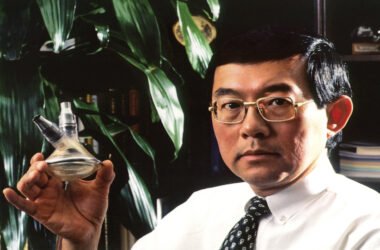




Dr. Kamal Ranadive stands as a monumental figure in the history of Indian science, particularly in the fields of cancer research and leprosy.2 Her contributions transformed the landscape of biomedical study in India, paving the way for future generations of women in STEM.3
Early Life and Academic Foundations
Born Kamal Samarth in 1917 in Pune, India, her journey into the world of science was influenced by her father, a professor of botany.4 Despite the societal norms of the time which often restricted women’s educational pursuits, her family encouraged her academic leanings.
She completed her initial education in Pune and eventually moved to Mumbai (then Bombay) to pursue higher studies.5 It was at the Indian Cancer Research Centre (ICRC) that she began her lifelong mission to understand the cellular mechanisms of disease. Her brilliance was evident early on, leading her to earn a doctorate in cytology.
Establishing the Tissue Culture Laboratory
One of the most significant achievements of Dr. Kamal Ranadive was the establishment of India’s first tissue culture laboratory.6 In the mid-20th century, tissue culture was an emerging and complex field.7 By successfully cultivating cells outside the human body, she provided researchers with a controlled environment to study how cancer develops and spreads.8
You Might Also Like: Mary Joan Schutz
This laboratory became a hub for innovation. It allowed scientists to test the effects of various carcinogens and drugs on living cells without needing immediate human or animal trials. This work was foundational in making Indian cancer research globally competitive.
Research into the Causes of Cancer
The primary focus of Dr. Kamal Ranadive was the relationship between genetics, hormones, and cancer.9 She was one of the first researchers to propose that certain types of cancer had a hereditary component.10
- Breast Cancer Studies: She conducted extensive research on breast cancer, specifically looking at how internal hormonal environments influenced the growth of tumors.11
- Tobacco and Oral Cancer: Recognizing the high prevalence of oral cancer in India, she investigated the link between tobacco chewing and the development of malignant cells.12 Her findings provided the scientific backing for public health campaigns against tobacco use.
- Viral Links: She also explored the possibility that certain viruses could trigger cancerous growth, a theory that was revolutionary at the time and is now a standard part of oncological understanding.13
Contributions to Leprosy Research
Beyond oncology, Dr. Kamal Ranadive made substantial strides in the study of Mycobacterium leprae, the bacterium that causes leprosy.14 At the time, leprosy carried an immense social stigma and was poorly understood from a biological perspective.
She worked on developing a vaccine for the disease and studied the immune responses of patients.15 Her research helped shift the perception of leprosy from a “curse” to a treatable bacterial infection, significantly improving the lives of thousands of patients in India.
Empowering Women in Science
While her laboratory work was groundbreaking, her social contributions were equally impactful. Dr. Kamal Ranadive was a staunch advocate for women in the sciences.16 In 1973, she co-founded the Indian Women Scientists’ Association (IWSA).17
The IWSA was designed to provide a support network for women pursuing careers in scientific fields.18 It offered scholarships, organized conferences, and worked to ensure that women had a seat at the table in national scientific policy-making. She believed that science could not truly progress if half the population was excluded from its discovery.
Fieldwork and Community Health
After her retirement from official laboratory positions, Dr. Kamal Ranadive did not stop working. She shifted her focus toward community health in rural areas.19 She was particularly concerned with the health of women and children in impoverished communities.
She utilized her scientific background to train “barefoot” health workers. Teaching them about basic hygiene, nutrition, and the early detection of diseases like cancer and leprosy. This bridge between high-level laboratory research and grassroots healthcare is a hallmark of her legacy.
Global Recognition and Awards
The tireless work of Dr. Kamal Ranadive did not go unnoticed. She received numerous accolades throughout her career, including:
- The Padma Bhushan: One of India’s highest civilian awards, given for her distinguished service in the field of science.20
- The Watumull Foundation Award: Recognizing her international contributions to medicine.
- Silver Jubilee Award: Granted by the Medical Council of India.21
These awards were a testament to her role as a visionary leader who integrated rigorous scientific inquiry with a deep sense of social responsibility.
The Lasting Legacy of a Visionary
The impact of Dr. Kamal Ranadive is still felt today in the halls of the Tata Memorial Centre and the many research institutions she helped nurture. Her approach—combining genetics, environment, and lifestyle—remains the gold standard for epidemiological research.
Today’s researchers continue to build upon her tissue culture techniques. Moreover, the IWSA continues to grow, supporting thousands of women as they break barriers in physics, biology, and engineering. She proved that a scientist’s duty extends beyond the microscope; it includes the betterment of society as a whole.22
Summary of Achievements
| Area of Contribution | Impact |
| Tissue Culture | Established India’s first specialized lab for cell study. |
| Oncology | Identified links between heredity and breast cancer. |
| Public Health | Linked tobacco use to oral cancer in the Indian context. |
| Advocacy | Co-founded the Indian Women Scientists’ Association. |
| Rural Health | Developed healthcare training programs for rural women. |
Dr. Kamal Ranadive remains an inspiration. Her life reminds us that scientific discovery requires not just intelligence, but the courage to challenge the status quo and the compassion to apply knowledge where it is needed most.