


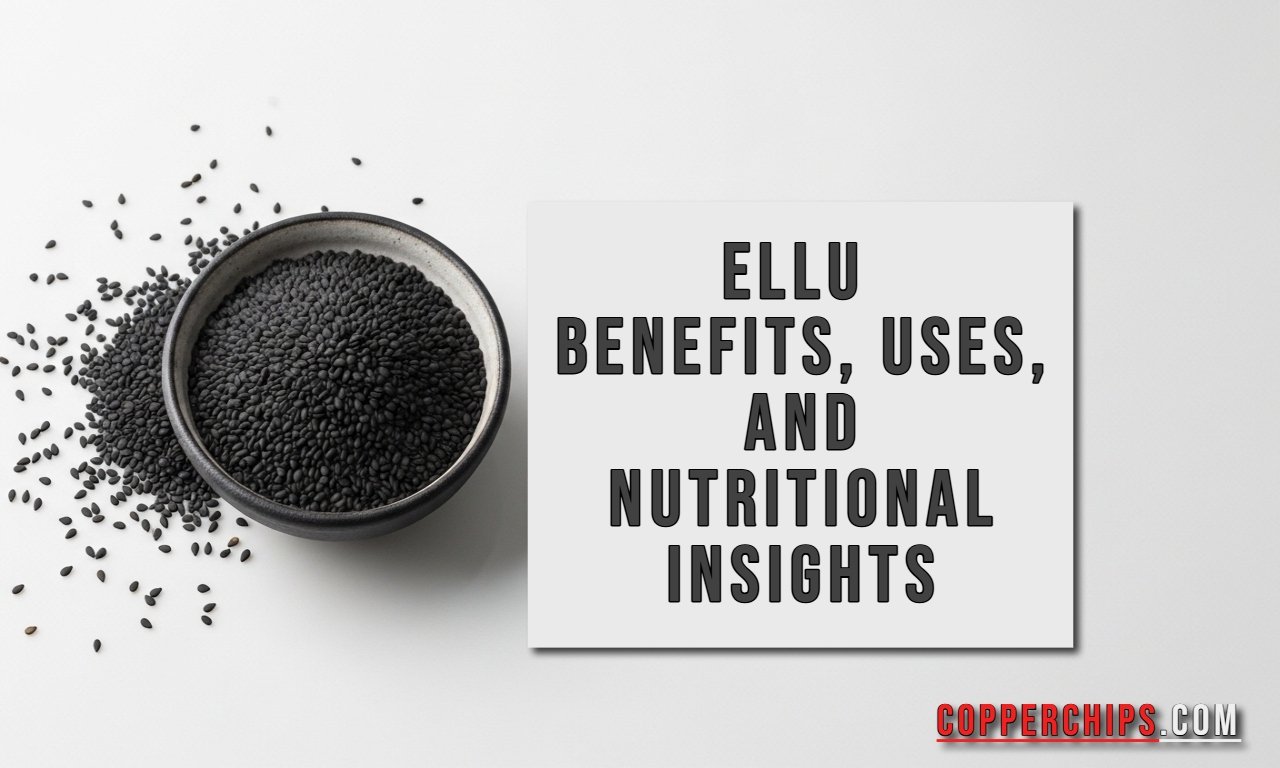
Ellu, commonly known as sesame seeds, is a small yet nutrient-rich seed that has been valued for centuries for its flavor, versatility, and health benefits. Originating from tropical regions, it is widely used in cooking, traditional medicine, and even cosmetics. Its distinct nutty taste and crunchy texture make it a favorite ingredient in many cuisines around the world.
In this article, we will explore the history, nutritional profile, health benefits, culinary uses, and tips for incorporating ellu into your daily diet. By the end, you will understand why this tiny seed has earned a major place in both kitchens and wellness practices globally.
History and Origin of Ellu
Ellu has a rich historical background. Evidence of sesame cultivation dates back over 3,000 years, making it one of the oldest oilseed crops. Ancient civilizations in Africa and India used ellu for its oil, which was prized for cooking and as a medicine. Over time, its cultivation spread to the Middle East and Asia, where it became integral to both traditional dishes and rituals.
Historically, ellu was also used in religious ceremonies and as an offering in temples, symbolizing prosperity and health. Its long-standing cultural significance underscores its value beyond just nutrition.
Nutritional Profile of Ellu
Despite its small size, ellu is packed with essential nutrients:
- Proteins: Supports muscle health and repair.
- Healthy fats: Rich in unsaturated fats that promote heart health.
- Vitamins: Contains B vitamins, vitamin E, and folate.
- Minerals: Excellent source of calcium, magnesium, iron, and zinc.
- Fiber: Promotes digestion and gut health.
The nutrient-dense profile makes ellu an ideal addition to a balanced diet, supporting energy, immunity, and overall well-being.
Health Benefits of Ellu
Incorporating ellu into your diet can offer a variety of health benefits:
Heart Health
Ellu contains lignans and polyunsaturated fats, which help reduce cholesterol and support cardiovascular health. Regular consumption may lower the risk of heart disease.
Bone Strength
High calcium and magnesium content contributes to stronger bones and teeth, making it especially beneficial for growing children and older adults.
Digestive Support
The fiber in ellu aids in digestion, prevents constipation, and promotes a healthy gut microbiome.
Skin and Hair Health
Vitamin E and antioxidants in ellu help maintain healthy skin and hair, combating dryness and premature aging.
Blood Sugar Regulation
Certain compounds in ellu may improve insulin sensitivity, supporting healthy blood sugar levels.
Anti-Inflammatory Effects
The presence of lignans and sesamol provides anti-inflammatory properties, potentially reducing the risk of chronic diseases.
Culinary Uses of Ellu
Ellu is extremely versatile in the kitchen. Its nutty flavor enhances both savory and sweet dishes:
Traditional Dishes
- Indian sweets like sesame laddoos and tilgul
- Middle Eastern tahini paste and halva
- Asian stir-fries and sesame-crusted meats
Baking
- Sprinkled over bread, buns, and crackers
- Used in cookies and dessert bars
Cooking and Garnishing
- Added to salads, noodles, and rice dishes
- Toasted ellu enhances flavor and aroma
Oil Extraction
Ellu oil, also known as sesame oil, is a staple in many cuisines and is prized for its flavor, stability, and cooking versatility.
Types of Ellu
There are several varieties of ellu, each with unique characteristics:
White Sesame Seeds
Milder in taste, often used in baking, desserts, and tahini production.
Black Sesame Seeds
Stronger flavor, higher antioxidant content, commonly used in Asian cuisine.
Brown Sesame Seeds
Intermediate flavor, widely used in cooking and garnishing.
Hulled vs. Unhulled
- Hulled: Lighter color, smoother texture, milder flavor.
- Unhulled: Richer taste, higher fiber content, and more nutrients.
How to Include Ellu in Your Diet
Adding ellu to your daily routine is simple and rewarding:
- Sprinkle on salads, yogurt, or oatmeal
- Blend into smoothies for added nutrition
- Use as a topping for baked goods and bread
- Incorporate into homemade sauces, dressings, and dips
- Snack on roasted ellu with spices for a healthy treat
Storage and Shelf Life
Proper storage ensures ellu retains its flavor and nutrients:
- Store in airtight containers in a cool, dry place
- Refrigeration can extend shelf life, especially for hulled seeds
- Toasting ellu before use enhances flavor but shortens storage time
- Avoid exposure to moisture to prevent spoilage
Traditional and Medicinal Uses
Beyond culinary applications, ellu has a history in traditional medicine:
- Ayurveda uses ellu for joint pain, digestive issues, and skin care
- Used as an oil massage for joint flexibility and skin nourishment
- In traditional Chinese medicine, black ellu is believed to improve kidney and liver health
Modern Research on Ellu
Recent studies support many traditional claims:
- Antioxidant properties may reduce oxidative stress
- Lignans and sesamol compounds have anti-cancer potential
- Ellu oil may improve lipid profiles and cardiovascular health
- Anti-inflammatory effects help in managing arthritis and metabolic disorders
Buying Tips for Ellu
When selecting ellu, keep the following in mind:
- Check freshness: Fresh seeds have a mild, nutty aroma
- Opt for organic: Reduces exposure to pesticides and chemicals
- Whole vs. ground: Whole seeds preserve nutrients longer, while ground seeds are convenient for cooking
- Packaging: Airtight packaging maintains quality
Recipes and Ideas
Some easy ways to incorporate ellu:
- Sesame Ladoo: Sweet balls made from roasted ellu and jaggery
- Tahini Sauce: Ground ellu mixed with olive oil and lemon
- Sesame-Crusted Chicken: Adds crunch and flavor to protein dishes
- Roasted Ellu Snacks: Mix with spices for a crunchy, healthy treat
Conclusion
Ellu is more than just a small seed—it is a nutritional powerhouse with a rich history, numerous health benefits, and endless culinary uses. From traditional sweets to modern health-conscious recipes, incorporating ellu into your diet can boost your wellness, support heart and bone health, and enhance your meals with its nutty flavor.
With its versatility, nutrient density, and cultural significance, ellu continues to be a valuable ingredient for kitchens and wellness routines worldwide.