

Understanding Bail in Colorado
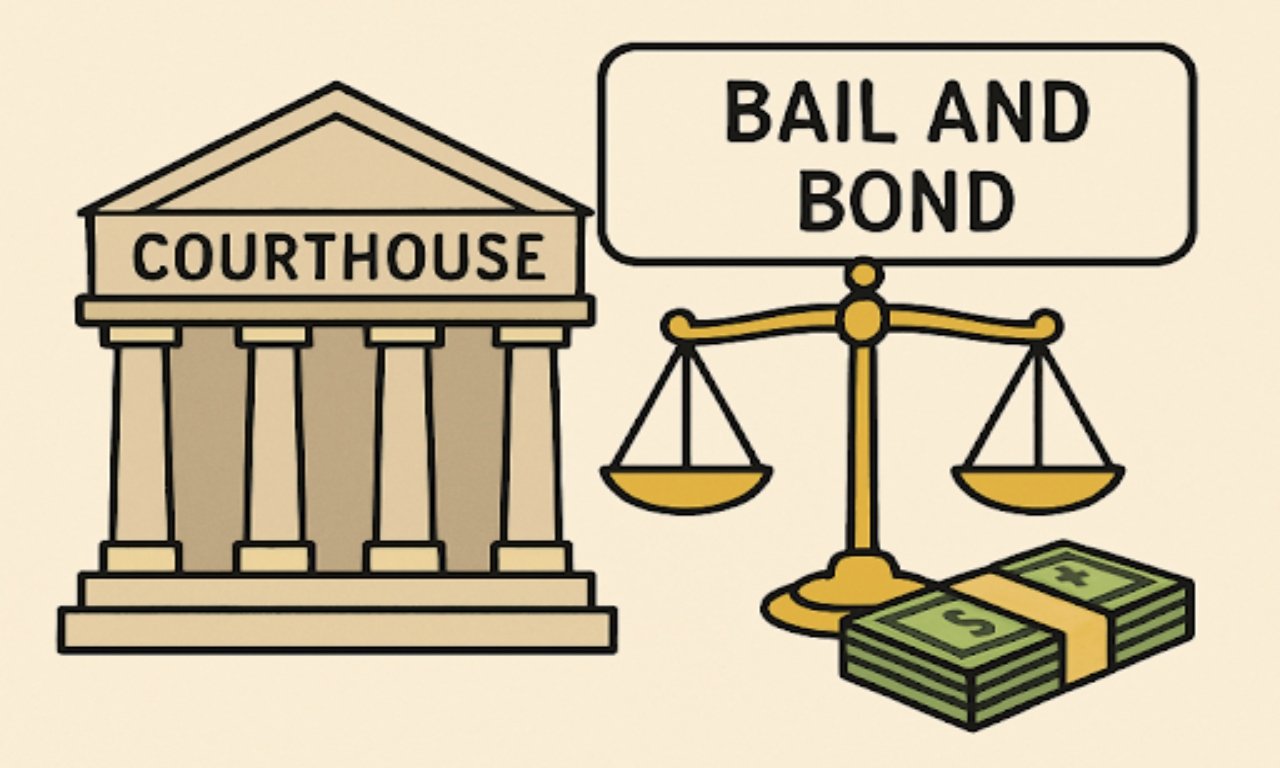
In Colorado, bail is a financial condition set by the court to ensure that a person accused of a crime will appear for future hearings. After an arrest, a judge or magistrate will evaluate the facts of the case and determine whether the accused qualifies for bail, the amount, and any additional conditions. The primary purpose of bail is to balance protecting the community with protecting the rights of the accused. The Law Office of Brent A. Martin, P.C. can provide guidance to defendants and families navigating the complex bail process in Colorado courts.
Factors impacting bail include the seriousness of the crime, any prior convictions, ties to the community, and perceived flight risk. Colorado law also recognizes situations, such as violent offenses or flight risk, where bail may be denied altogether. Defendants or their advocates may petition the court for a bail reduction if the initial amount is unreasonably high or burdensome.
Unlike some states, Colorado routinely reviews bail settings to ensure they are both constitutional and fair. Additionally, the state’s laws limit the use of cash bail for certain low-level offenses, placing a greater emphasis on personal recognizance bonds for nonviolent crimes. These evolving rules reflect the state’s efforts to reduce unnecessary incarceration of nonviolent defendants awaiting trial.
Once bail is set, the focus shifts to securing release through a bond. Defendants are not released until they meet the financial or pledge conditions ordered by the court. This is where understanding the difference between bail and bond becomes crucial for individuals and their families dealing with the justice system.
What is a Bond?
Bond is the actual mechanism used to meet the court’s bail requirements and secure the defendant’s release from custody. In Colorado, the most common bond types include:
- Cash Bond: The entire bail amount is paid in cash and is refundable if the accused appears at all court dates.
- Surety Bond: A third party, such as a licensed bail bondsman, issues a bond for a fee (usually a percentage of the bail set). This is common for higher bail amounts that families cannot easily pay in full.
- Personal Recognizance (PR) Bond: The court allows the defendant to be released on their own promise to return, without immediate payment, sometimes with conditions like drug testing or travel restrictions.
The Bail and Bond Process in Colorado
Step 1: Setting Bail
The process begins after arrest, when a judge or magistrate determines the initial conditions of release at a bail hearing. Legal representation during this stage can be invaluable in negotiating a reasonable bail amount.
Step 2: Posting Bond
Once the conditions are set, the next step is to post the required bond. Families can do this by paying cash at the jail, using property as collateral, or working with a bail bondsman. Bond agents usually require a non-refundable fee, but they can help facilitate quicker release for those unable to pay the full amount themselves.
Step 3: Release and Court Conditions
Upon posting bond, the accused is released with a written notice of any further court obligations. Skipping bail results in bond forfeiture and possibly additional charges, making compliance with all court appearances essential. Understanding all terms, such as restrictions on movement or additional compliance checks, is a crucial responsibility of the defendant and their supporters.
Risks and Considerations for Families
While the bail bond process is intended to secure release, it also carries financial and legal risks. For example, if a defendant fails to appear in court, cash or collateral may be forfeited. Surety bonds involve contracts with bail agents and may require posting collateral such as cars or property titles. Families should thoroughly understand all requirements prior to signing any paperwork or agreements with third-party agencies.
The system is also evolving in Colorado to minimize inequities. Recent reforms limit the use of cash bail for low-level, nonviolent crimes, helping reduce jail overcrowding and the disproportionate impact on lower-income individuals.
When to Seek Legal Assistance
Navigating bail and bond in Colorado can be complex and stressful, especially for those new to the criminal justice system. Experienced criminal defense attorneys can challenge excessive bail, negotiate term adjustments, and explain your rights and obligations in full. Whether you face a minor misdemeanor or a major felony charge, early support helps you understand Colorado’s processes and make informed decisions about your future.
Conclusion
Understanding how bail and bond work in Colorado enables defendants and their families to make informed choices about securing release and staying compliant with state laws. Legal advice, a clear understanding of obligations, and a careful choice of bond types are key to minimizing risk while safeguarding constitutional rights throughout the process.