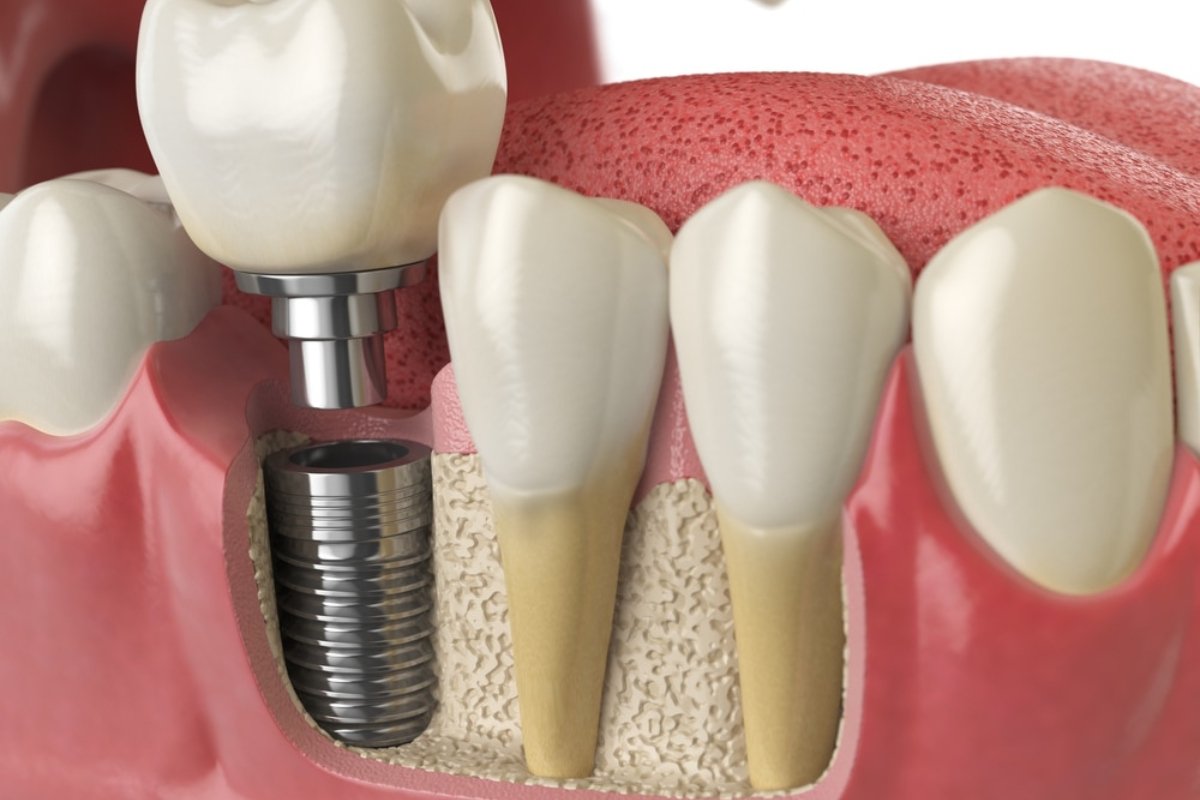
Tooth loss does more than leave a gap in your smile. It also triggers slow bone loss in your jaw. That bone once held a tooth root. Without that root, the body starts to absorb the bone. Over time, your face can look sunken. Your bite can change. Eating can feel harder. Speech can shift. These changes can affect how you feel about yourself and how you move through each day. Dental implants act like new roots. They give your jaw a reason to keep its strength. In this guide, you will see how implants protect facial bone and help keep your natural face shape. You will also learn what to expect from dental implants in Falls Church. With clear facts, you can decide if this option fits your health, your comfort, and your long term confidence.
Why Bone Loss Starts After You Lose a Tooth
Your jaw bone stays strong when it has work to do. Teeth and their roots give that work. Each time you chew, pressure travels through the roots into the bone. That pressure tells your body to keep the bone.
Once a tooth is gone, three things often happen:
- The bone that held the root starts to shrink.
- The nearby teeth can shift into the open space.
- Your bite can change and strain your jaw joints.
The National Institute of Dental and Craniofacial Research explains that tooth loss is common and often tied to gum disease and decay. You can read more on tooth loss causes at the NIDCR tooth decay page.
How Dental Implants Protect Your Jaw Bone
A dental implant is a small post placed in the jaw where the root once was. Your bone grows around this post. The post holds a crown that looks and works like a tooth.
Implants help your bone in three key ways:
- They replace the missing root, not just the top of the tooth.
- They send chewing pressure into the bone, which tells the body to keep that bone.
- They help keep nearby teeth from tilting into the empty space.
Over time, this support can slow or reduce bone loss in that part of your jaw. That support also helps keep your face shape steady.
How Implants Compare With Bridges and Dentures
Other tooth replacement options can help you eat and speak. Yet they do not protect bone in the same way. The table below shows some key differences.
| Tooth Replacement Type | Replaces Tooth Root | Helps Protect Jaw Bone | Affects Nearby Teeth | Stability During Eating
|
|---|---|---|---|---|
| Dental implant with crown | Yes. Implant acts like a root. | Yes. Chewing pressure reaches bone. | Usually none. Nearby teeth stay intact. | High. Feels close to a natural tooth. |
| Fixed bridge | No. Sits above the gum. | Limited. Bone under missing tooth can still shrink. | Needs reshaping of nearby teeth for support. | High. Fixed in place but on teeth, not bone. |
| Removable partial denture | No. Rests on gums and teeth. | Minimal. Pressure often rests on gums, not bone. | Clasps may stress nearby teeth. | Medium. Can move or rub. |
| Full removable denture | No. Sits on top of gums. | Low. Bone often shrinks over time. | No direct change to teeth, but no root support. | Varies. Can slip, click, or feel loose. |
This comparison shows that implants are the only option that truly acts like a root. That root function is what helps protect bone.
How Facial Bone Loss Changes Your Appearance
Bone loss does not just stay hidden under the gums. It can change how your face looks and feels.
Common changes include three main effects:
- Shorter distance between nose and chin as the jaw shrinks.
- Lips that seem to fold inward without tooth support.
- Deep lines around the mouth from loss of support under the skin.
These shifts can happen slowly. You might only notice when you look at old photos or when dentures stop fitting. Dental implants help hold the bone that supports your lips and cheeks. That support helps keep your profile steady and your mouth more comfortable.
What To Expect During the Implant Process
The implant process takes planning and time. You and your dental team move through clear steps.
Typical steps include:
- Exam and imaging. Your dentist checks your mouth and takes images to see bone height and thickness.
- Planning. You review options, costs, and timing. You talk through medicines and health history.
- Implant placement. The implant post is placed in the bone. You heal while bone grows around it.
- Healing period. This can take a few months and lets the implant bond with the bone.
- Crown or bridge placement. A custom top is attached to the implant so you can chew and smile.
The Mayo Clinic offers a clear overview of how dental implants work, possible risks, and what to expect. You can see that at the Mayo Clinic dental implant page.
Who May Benefit Most From Dental Implants
Implants are not right for every person. Yet many people with missing teeth can benefit.
You may be a good match if you:
- Have one or more missing teeth.
- Have enough jaw bone or can have bone grafting.
- Do not smoke or are willing to quit.
- Can keep regular brushing, flossing, and checkups.
Your dentist or specialist will review your health. That review helps protect your safety and the implant success.
How To Protect Your Bone After Implant Placement
Once you have implants, you still need to guard your bone and gums. You protect them with daily care and routine visits.
Key steps include:
- Brush twice a day with a soft brush.
- Clean between teeth and around implants every day.
- Keep regular dental visits for cleanings and checks.
The Centers for Disease Control and Prevention share simple steps for mouth care and gum health. You can read more on the CDC oral health fast facts page.
Taking Your Next Step
Tooth loss does not need to lead to a sunken face or constant worry about loose teeth. Dental implants give your jaw a clear reason to stay strong. They help protect bone, support your facial shape, and restore steady chewing.
You deserve clear answers and honest options. You can talk with a trusted dental team about your goals, your health, and your budget. Together, you can decide if implants are the right path to protect your facial bone and your daily comfort.