


Dividing property during divorce can often become one of the most challenging aspects of ending a marriage, especially when significant assets or debts are involved. In New Hampshire, asset division is not simply about splitting everything in half. Instead, the law emphasizes equitable distribution, with the primary goal of fairness based on the circumstances of each marriage. For those needing specific legal advice or guidance in navigating this process, a New Hampshire Property Division Lawyer can offer vital support.
The state’s legal framework considers nearly all assets owned by either spouse as subject to division, including possessions acquired before marriage or inherited during the relationship, aiming for a fair outcome. Since each divorce is unique, judges weigh various factors in dividing assets and debts. Understanding these laws helps you make informed decisions, protect your interests, and ensure the asset division reflects your contributions and needs. Knowing how courts treat marital versus separate property, the importance of prenuptial agreements. The benefits of mediation can also save time and reduce emotional strain.
Equitable Distribution in New Hampshire
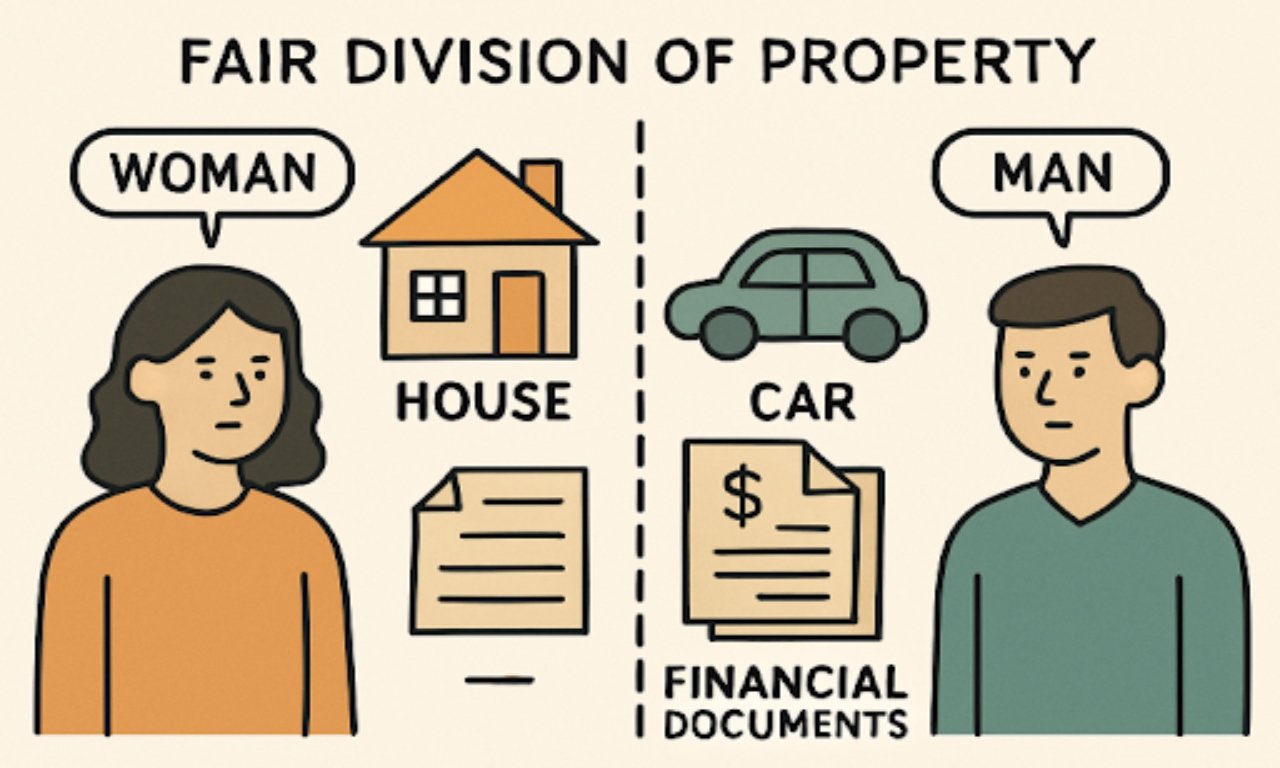
New Hampshire’s approach to dividing property follows the principle of equitable distribution. This means that all property and debt, acquired at any time and in any manner. Is presumed to be marital and thus subject to division upon divorce. The law treats both spouses equally in their claims to property, starting with the assumption that an even split is appropriate but reserving the right to adjust based on various criteria to achieve fairness for both parties. The equitable approach ensures flexibility and considers each couple’s specific situation rather than relying on rigid formulas.
Factors Influencing Property Division
Although equitable division starts with a presumption of a 50-50 split, a judge will consider several factors that may shift this balance to ensure fairness. These include the length of the marriage, the age and health of both spouses, each party’s current and future financial circumstances. The contributions, both financial and non-financial, made by each spouse throughout the marriage. Homemaking, child-rearing, and supporting a partner’s career are recognized contributions when determining division. If there are specific debts or unique needs, such as medical expenses or child care, they will be considered by the court.
Marital vs. Separate Property
Unlike some states that strictly differentiate between marital and separate property. New Hampshire courts treat nearly all assets and debts as part of the marital estate, subject to division. This broad scope covers items acquired prior to marriage and gifts or inheritances received during the marital relationship. However, judges may weigh the origin of the asset or debt in deciding what division is equitable, especially when a spouse can demonstrate that an inheritance remained separate from marital finances.
Valuation of Assets
Getting a precise and fair valuation of all marital property is essential. Straightforward financial assets, such as savings or checking accounts, are valued at their current balances. More complex holdings, including real estate, retirement accounts, and business interests, may require professional appraisals or the services of financial experts. Accurate valuation ensures that both parties receive their fair share based on the estate’s actual worth at the time of divorce.
Division of Debts
Just as assets are divided, so are debts. Courts examine who incurred the debt, for what purpose, and the ability of each party to repay. While a divorce decree specifies responsibility for certain debts, creditors may still hold both spouses accountable for joint liabilities such as mortgages or car loans, even after the settlement. This reality makes it especially important to clarify joint and individual obligations during the divorce process.
Impact of Prenuptial Agreements
A valid prenuptial agreement can streamline property division by outlining, in advance, how assets and debts should be apportioned. New Hampshire courts generally enforce these agreements provided they were entered into voluntarily, with full disclosure from both parties. A prenuptial agreement can protect family inheritances, established businesses, and other sensitive assets, thereby simplifying divorce negotiations. However, terms that seem excessively unfair to one spouse may be challenged and potentially set aside by the court.
Role of Mediation
Mediation offers a practical, less adversarial way for divorcing couples to reach an agreement on property division. Here, a neutral mediator works with both parties to facilitate compromise and agreement outside the courtroom. Mediation often reduces legal costs, shortens the divorce timeline, and gives former spouses greater say in determining the outcome, leading to solutions tailored to their family’s needs rather than default court orders.
Conclusion
Navigating the division of property in a New Hampshire divorce requires a clear understanding of the equitable distribution standard. The scope of marital property, and the nuanced considerations the court will use in making its determinations. By staying informed and seeking professional advice where necessary, individuals can help ensure the process is as fair, efficient, and amicable as possible. Mediation, prenuptial agreements, and accurate asset valuation are powerful tools for protecting interests and facilitating a smoother transition. Taking the time to understand your rights and responsibilities during this process can set the stage for financial stability in the next chapter of your life.