



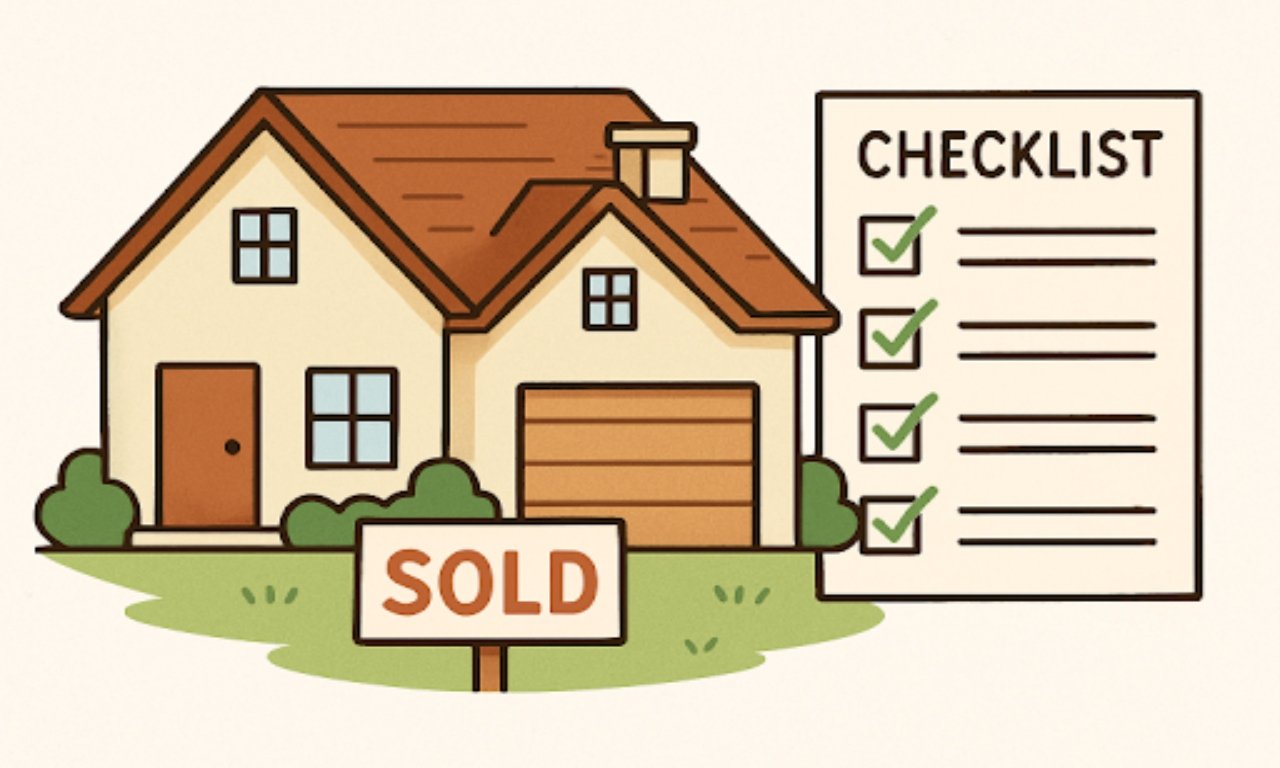
Buying a new construction home is an exciting journey. It delivers the appeal of modern design, customizable features, and the promise of a fresh start. Yet this process can be complex and full of unique considerations, requiring buyers to be diligent at every step. By educating yourself and aligning your decisions with trusted professionals, such as New Home Star, you can secure a smooth path to your dream property and enjoy the full benefits of new construction.
From setting a realistic budget to choosing the right builder and understanding the fine print in your contract, making well-informed choices early on is crucial for ensuring long-term satisfaction and protecting your investment. This comprehensive guide leads you through the essential steps to move forward confidently and avoid common pitfalls buyers often encounter in the new-construction home market.
Many buyers are surprised by the number of variables involved in purchasing a newly constructed home. Modern amenities, flexible layouts, and the opportunity to shape certain finishes and features are big draws, but can come with extra costs and added responsibilities. Arming yourself with knowledge not only helps you make smart financial decisions but also helps you understand the completion timeframe, what is included before you receive the keys, and which features offer the best long-term value for your family.
Set a Realistic Budget
Establishing a realistic budget is your first and most important task. Your total budget should not only account for the purchase price, but also include agency fees, closing expenses, and the costs for must-have upgrades and landscaping, which can escalate quickly in new developments. Take time to evaluate your finances with an honest eye, factor in your current debts, down payment ability, and the projected monthly mortgage payment. Talking to a reputable mortgage lender early on helps you get pre-approved and gives you a clearer sense of what your actual limits are when touring new construction communities.
Research and Choose a Reputable Builder
Not all builders offer the same level of quality or customer service. Carefully research potential builders by reading independent reviews on major sites such as the Better Business Bureau, visiting model homes, and speaking with homeowners who have completed properties in your target communities. A trustworthy builder will readily share references, provide detailed answers to your questions, and maintain a clean reputation with local real estate associations. This groundwork protects you from unreliable contractors who might cut corners or deliver subpar results.
Understand the Contract and Warranties
The contract you sign with a builder outlines the scope of work, pricing, deposit schedule, and completion timelines. Make sure you understand every clause, and do not hesitate to consult with a real estate attorney if there is anything confusing or ambiguous. Pay special attention to the warranty coverage, including what the builder handles directly and what responsibilities shift to you after closing. Warranties often have strict deadlines for reporting defects, so stay organized and track your new home’s maintenance needs from the start. This helps protect your investment and reduces the risk of costly surprises.
Prioritize Essential Upgrades
New construction often tempts buyers with a wide range of upgrades and options. To safeguard your budget, focus on the enhancements that are tough or costly to add later, such as room extensions, upgraded windows, or high-efficiency mechanical systems. Cosmetic upgrades like lighting fixtures, flooring materials, and paint colors can usually be done after closing when your finances allow. Work with your builder to understand which upgrades must be decided on early for construction or permit reasons, and which ones can reasonably wait for future improvements.
Schedule Independent Inspections
Many buyers assume that because a home is brand-new, it is free of defects. In reality, errors can still occur during construction. Independent inspections at various construction milestones, such as foundation and framing, and at closing ensure the property meets required building codes and avoids hidden issues. Professional inspections provide peace of mind and leverage when negotiating with your builder to correct defects before you move in.
Be Aware of Hidden Costs
When buying new construction, buyers need to anticipate both expected and unexpected expenses. Higher property taxes, homeowners’ association fees, window treatments, appliances not included in the base package, and landscaping are common costs that may not be immediately apparent. Always request a detailed estimate of all expected costs from your builder and build some cushion into your budget for unanticipated fees. Being prepared for these side expenses means fewer surprises as you take ownership of your new property.
Stay Informed About Community Developments
Your home’s value and livability are heavily influenced by its neighborhood. Before you sign, find out if there are plans for nearby schools, shopping centers, or road expansions that could affect traffic, noise, or property values. Contacting your city planning department or browsing the local government’s development website can give you insight into the area’s long-term vision and help you make a more informed choice.
Secure Financing Options
Begin researching mortgage lenders as soon as possible. Builders sometimes offer incentives for using their preferred lenders, such as lower rates or help with closing costs, but you should compare these offers to independent lenders as well. Being pre-approved for a mortgage not only clarifies your budget but also signals to the builder that you are a serious buyer. Evaluate all financing terms carefully, since rates, origination fees, and builder incentives can affect your total cost and monthly payment for years to come.
Final Thoughts
With thorough research, careful budgeting, and the right team in your corner, navigating the new construction home process is entirely achievable. Taking these smarter steps helps you avoid common pitfalls and ensures you enjoy your new home for many years to come.