



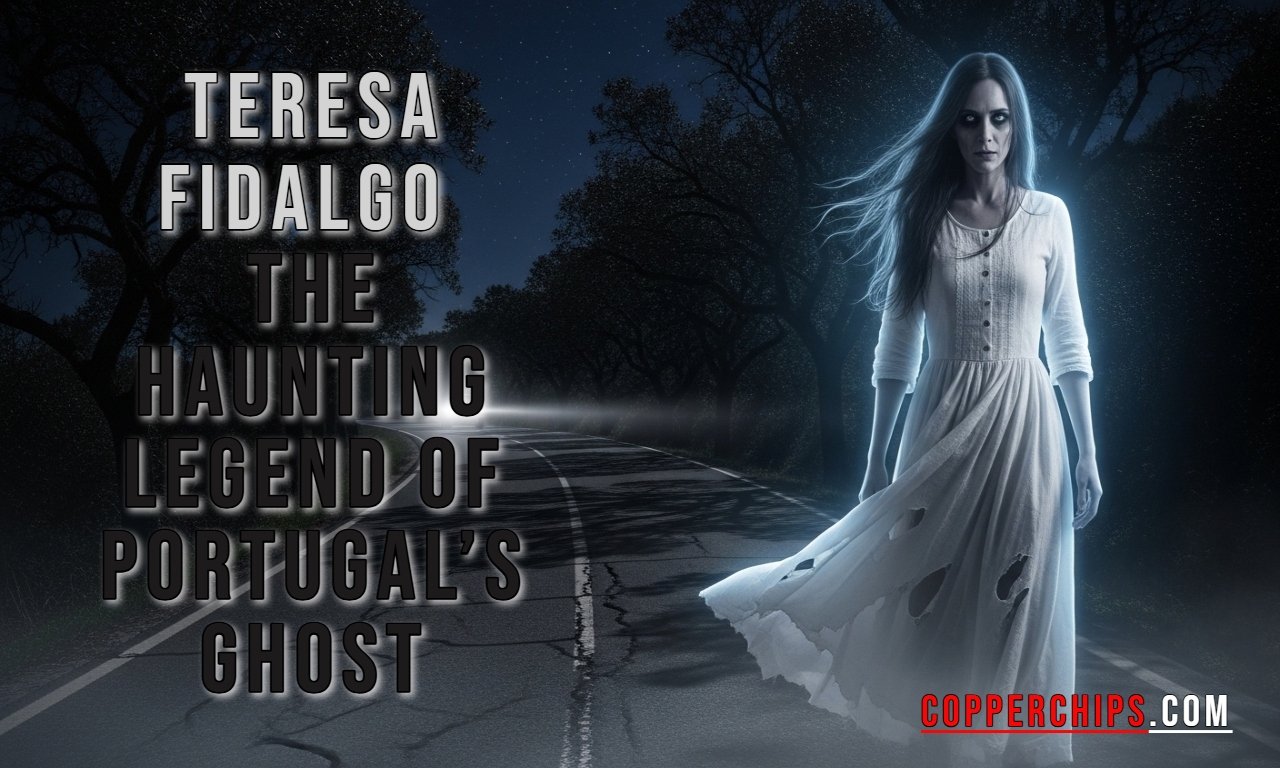
In the world of urban legends, few stories have captivated the internet quite like Teresa Fidalgo. Originating from Portugal, this ghostly tale has spread across social media, email chains, and forums, intriguing both skeptics and believers alike. The story of Teresa Fidalgo combines tragedy, mystery, and the supernatural, creating a narrative that has persisted for decades.
Teresa Fidalgo is said to be the spirit of a young woman who died under tragic circumstances, and her presence allegedly haunts those who encounter her story or photograph. This article explores the origins of the legend, its impact on popular culture, and why it continues to fascinate audiences worldwide.
The Origins of Teresa Fidalgo
The legend of Teresa Fidalgo first gained widespread attention in the early 2000s through email chains and online forums. According to the story, Teresa was a young woman from Portugal who met a tragic end, often described as a car accident on a lonely road. Her ghost is said to appear to travelers or show up in photographs, often smiling eerily or pointing towards the road.
While the story is largely considered a modern urban legend, its narrative draws inspiration from traditional ghost stories common in Portuguese folklore. The anonymity of the original sources, combined with photographs and videos circulated online, helped cement Teresa Fidalgo’s status as a haunting figure.
The Story Behind Teresa Fidalgo
The legend generally follows a similar pattern:
- A young woman named Teresa Fidalgo is hitchhiking on a deserted road.
- A driver picks her up, and strange occurrences begin, including sudden chills or an unexplainable feeling of dread.
- She allegedly appears in photographs taken by travelers, often with a haunting gaze or ethereal appearance.
- The ghost is said to warn or curse those who spread the story without respect.
The story’s consistency across different versions reinforces the eerie nature of the legend, making Teresa Fidalgo a compelling figure for online ghost enthusiasts and paranormal investigators.
Teresa Fidalgo in Media and Online Culture
Teresa Fidalgo has transcended her origins in folklore to become a recognizable figure in digital media. Several viral videos and photographs claim to depict her ghost, often circulating on YouTube, TikTok, and paranormal websites.
The legend also inspired short films and online adaptations, emphasizing suspense and horror. Social media users frequently share stories claiming personal encounters, further fueling the mythos surrounding Teresa Fidalgo. This digital proliferation has made her one of Portugal’s most famous urban legends.
Analyzing the Evidence
Despite the widespread fascination, there is no verified evidence proving the existence of Teresa Fidalgo. Photographs and videos are often digitally altered or staged. Many paranormal experts consider her story a classic example of a chain letter urban legend, designed to elicit fear and compel viewers to share the content.
Psychologists and folklorists suggest that the Teresa Fidalgo legend thrives due to:
- Human fascination with the supernatural.
- The viral nature of online media.
- Cultural fascination with tragic youth and untimely deaths.
While skeptics dismiss the story as fiction, the emotional resonance of the legend keeps it alive in popular imagination.
Why Teresa Fidalgo Continues to Captivate
Several factors explain the enduring popularity of Teresa Fidalgo:
- Mystery: The lack of verifiable details creates an aura of uncertainty, encouraging discussion and speculation.
- Relatability: Many encounter the story online or hear it from peers, creating a sense of shared experience.
- Fear Factor: The combination of tragedy and ghostly encounters taps into primal fears of death and the unknown.
- Digital Virality: Social media and video platforms make it easy for the story to spread across borders and cultures.
These elements ensure that Teresa Fidalgo remains a prominent example of how modern urban legends evolve and persist.
The Role of Ghost Stories in Culture
The legend of Teresa Fidalgo reflects a broader human tendency to create and share ghost stories. Folklorists argue that these narratives serve several purposes:
- Processing Death: Ghost stories help people confront mortality in a safe, fictionalized way.
- Entertainment: The thrill of fear provides a form of social and emotional engagement.
- Cultural Identity: Stories like Teresa Fidalgo often incorporate local settings and traditions, reinforcing regional folklore.
By combining these elements, Teresa Fidalgo serves as both a cultural artifact and a modern myth.
How Teresa Fidalgo Compares to Other Urban Legends
Urban legends similar to Teresa Fidalgo exist worldwide. For instance:
- La Llorona (Mexico): A ghostly mother searching for her drowned children.
- The Vanishing Hitchhiker (Global): A young traveler disappears mysteriously after being picked up.
- Bloody Mary (United States): A spectral figure appearing in mirrors to those who summon her.
These stories share common themes: tragedy, mysterious appearances, and cautionary lessons. Teresa Fidalgo stands out due to her viral online presence and specific connection to Portuguese culture.
Visiting Sites Associated with Teresa Fidalgo
Some enthusiasts claim to visit roads and locations associated with the Teresa Fidalgo legend. While these visits are primarily for thrill-seeking or paranormal investigation, they often spark curiosity about local history and geography.
Safety is important: many roads linked to the legend are isolated and potentially hazardous. Experts encourage visitors to treat these locations respectfully, avoiding reckless behavior in pursuit of a ghost story.
Lessons from the Teresa Fidalgo Legend
Beyond scares and viral content, the story of Teresa Fidalgo offers lessons about human psychology and culture:
- The Power of Storytelling: A compelling narrative can endure across decades, especially when shared digitally.
- Collective Belief: Even in the absence of evidence, shared belief can create community and engagement.
- Cultural Preservation: Legends like Teresa Fidalgo help preserve local folklore, blending traditional elements with modern media.
By understanding these dynamics, we can appreciate why urban legends like Teresa Fidalgo thrive in contemporary society.
Conclusion: Teresa Fidalgo’s Enduring Mystery
Teresa Fidalgo remains one of the most intriguing modern urban legends. Combining tragedy, mystery, and supernatural allure, her story continues to captivate audiences worldwide. Whether you view her as a digital-age ghost or a cautionary tale, the legend demonstrates the enduring human fascination with the unknown.
As the internet continues to amplify folklore, Teresa Fidalgo is likely to remain a central figure in discussions of urban legends, digital myth-making, and Portuguese cultural storytelling. For skeptics, she is a study in viral narrative; for believers, she is a haunting reminder of the thin veil between the living and the dead.
FAQs About Teresa Fidalgo
Q1: Was Teresa Fidalgo a real person?
A: There is no verified evidence; the story is considered an urban legend.
Q2: Where did the legend originate?
A: The legend originated in Portugal and spread online through emails and social media.
Q3: Can you see Teresa Fidalgo in photographs?
A: Many viral images claim to show her, but they are mostly staged or digitally altered.
Q4: Why is Teresa Fidalgo so popular?
A: Her story combines mystery, tragedy, and supernatural elements, making it highly shareable online.
Q5: Is it safe to visit sites linked to Teresa Fidalgo?
A: While mostly harmless, visitors should prioritize safety on isolated roads and avoid reckless behavior.