


Facing sex crime allegations in Georgia brings tremendous stress and uncertainty, especially when complex legal protections like the Rape Shield Law come into play. Understanding how these laws work, what evidence is allowed in court, and what rights both the accused and the accuser have is crucial for anyone involved in such a case. If you are searching for guidance during this challenging time, consulting an experienced Georgia rape defense attorney may be one of the most critical steps you take.
The Rape Shield Law in Georgia aims to protect victims from invasive questions and evidence about their past sexual behavior, shaping not only the prosecution’s approach but also the structure of your defense. These rules aim to keep the focus on the facts of the specific incident at hand rather than allowing unrelated information to sway a jury unfairly. For defendants and their legal teams, navigating these boundaries is both a challenge and an opportunity to mount the most effective legal defense possible within the constraints provided by state law.
What Is the Rape Shield Law?
The Rape Shield Law in Georgia is a statute that limits how and when a victim’s prior sexual conduct can be discussed in criminal proceedings involving sex crimes like rape, attempted rape, and sexual assault. This statute typically prevents the introduction of evidence relating to the victim’s past sexual behavior or predisposition, except in particular situations allowed by law. The goal is to prevent the defense from defaming the victim or suggesting consent based solely on unrelated prior sexual activity.
Georgia’s approach echoes broader national trends, as most states have implemented rape shield laws to protect victims from “victim blaming” tactics that can unfairly influence jurors and discourage reporting of sex crimes. These rules aim to level the courtroom and keep the focus on the alleged event itself.
History and Purpose of Georgia’s Law
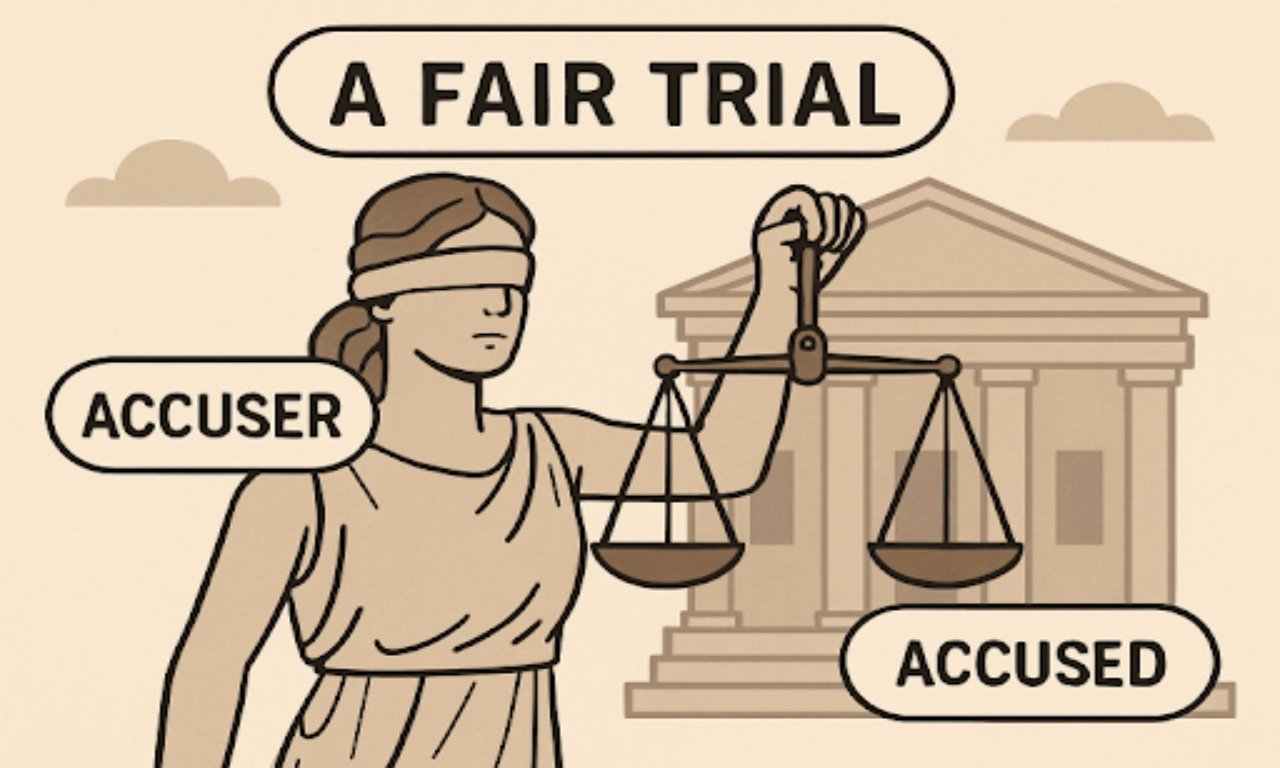
The Rape Shield Law in Georgia, first enacted in 1976, serves a dual purpose: to promote justice for victims by encouraging them to report crimes without fear of public shaming and to maintain a fair trial for the accused. Historically, defense teams often used a complainant’s sexual history to attack their credibility or imply consent. Lawmakers responded by setting out clear limits regarding when such evidence can be introduced, mirroring legal reforms across the United States. National media coverage and advocacy contributed to a shift in cultural attitudes toward sexual assault survivors, reinforcing these statutory protections. More information on the national movement can be found at Britannica.
How the Rape Shield Law Shapes Defense Strategies
The impact of the Rape Shield Law on defense strategies in Georgia is profound. Legal teams must tread carefully when attempting to introduce evidence related to the accuser’s history. Arguments resting on the complainant’s credibility, especially those suggesting promiscuity, are generally excluded. Defense attorneys must craft alternative approaches, focusing on inconsistencies in the accuser’s account, physical evidence, forensic testimony, or evidence of consent drawn from sources allowed by the court.
This means that while defendants retain their constitutional rights, including the right to confront witnesses and present a complete defense, those rights are balanced against the victim’s right to privacy and dignity in the courtroom. Judges play an important role in determining what evidence is admissible, often requiring pretrial hearings before allowing any exception to the statute.
Key Exceptions: When Past Sexual History May Be Admitted
While Georgia’s Rape Shield Law sets a strong presumption against discussing the accuser’s sexual history, exceptions exist. Evidence may be admitted if:
- The evidence directly relates to the alleged incident, such as proof that someone other than the defendant was the source of physical injuries or DNA.
- It is necessary to explain the origins of physical evidence that could exonerate the defendant.
- The past sexual history is relevant to show a pattern of false accusations against other individuals, though this is rarely allowed and must be clearly demonstrated.
Even in these cases, the defense must petition the court in advance, and the judge will weigh arguments in a private (in camera) hearing to decide if the exception truly applies.
Balancing Defendant Rights with Victim Protections
Critics argue that rape shield statutes can sometimes exclude crucial evidence for the accused, but Georgia courts are experienced in evaluating whether the exclusion unfairly limits a defendant’s rights. The right to a fair trial, protected by the Sixth Amendment, remains paramount. However, these rights must always be balanced with the state’s interest in protecting victims from humiliation, intimidation, and trauma in the courtroom environment. For further guidance on this legal balance, Britannica offers additional clarity on how these evidentiary decisions are weighed.
Best Practices for Those Accused of Sex Crimes
If you or someone you know is facing allegations in Georgia, acting quickly is essential. The choices you make at the earliest stages can dramatically impact the options available later in court. Retain legal counsel immediately, and provide a detailed and factual account of all events and any digital or physical evidence connected to the accusation. An experienced attorney can identify whether exceptions to the Rape Shield Law may apply and take swift action to petition the court for inclusion of exculpatory evidence if appropriate.
Conclusion
The Rape Shield Law in Georgia fundamentally alters how defense and prosecution approach sex crime trials, protecting victims from invasive questioning while ensuring the accused has a fair opportunity to present their case. Navigating these laws requires strategic thinking and legal expertise. By understanding the rules and working with a skilled legal team, defendants can maximize their chances of a favorable outcome while complying with the state’s guidelines.