


Where to buy nata de coco is a crucial question for consumers, distributors and F&B businesses looking for high-quality coconut jelly that is safe, consistent and suitable for global markets. As demand continues to rise, choosing the right supplier plays a vital role in ensuring product stability, food safety compliance and sustainable long-term growth.
The growing demand for coconut jelly products
Nata de coco, often recognized as a coconut jelly cube in international markets, has evolved from a nostalgic snack into a modern, versatile ingredient. It is widely used in milk tea, desserts, yogurt, beverages and ready-to-eat retail products. As consumption rises across Asia, Europe and the Americas, buyers are paying closer attention not only to taste and texture but also to food safety, certifications and supply stability.
For importers, wholesalers and food manufacturers, selecting a trusted producer is no longer optional. A reliable partner ensures consistent quality, transparent sourcing and the ability to scale with market demand.
What is nata de coco and why does quality matter
Nata de coco is produced by fermenting fresh coconut water using beneficial bacteria. Over time, a natural cellulose layer forms and is processed into small, chewy cubes. The final product is fat-free, low in calories and rich in dietary fiber, making it suitable for modern, health-conscious consumers.
However, quality can vary significantly depending on raw materials, fermentation control and post-processing technology. Poorly produced coconut jelly cubes may have an unpleasant odor, inconsistent texture or short shelf life. That is why sourcing from a professional manufacturer with a closed-loop production process is essential, especially for export markets.
Where to buy nata de coco for stable quality and long-term supply
When businesses consider a trusted place to buy nata de coco, price should never be the only deciding factor. The global market is full of unbranded products with unclear origins, limited quality control and no international certification. These risks can lead to shipment rejection, unstable inventory and damage to brand credibility.
A dependable supplier should meet several criteria:
- Clear sourcing of fresh coconut water from stable growing regions.
- Modern fermentation and pasteurization technology.
- International food safety certifications such as FSSC 22000, Halal, FDA or GACC.
- Flexible packaging options for B2B and B2C needs.
- Proven export experience across multiple markets.
Manufacturers that invest in technology and sustainability are better equipped to deliver consistent coconut jelly cube products year-round.
GC Food: A leading Vietnamese coconut jelly manufacturer
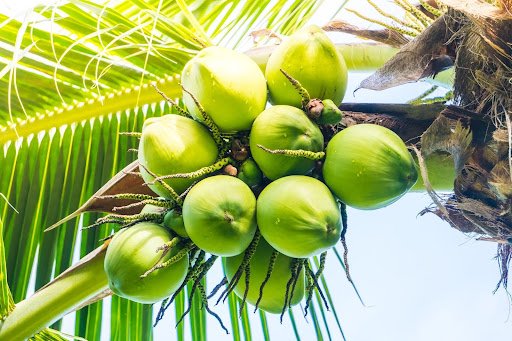
Vietnam, particularly Ben Tre province, is known as one of the world’s most important coconut regions. Leveraging this advantage, G.C Food Joint Stock Company (GC Food) has built a large-scale nata de coco production system that connects coconut farmers directly to modern factories.
Using fresh coconut water and advanced pasteurization technology, GC Food preserves the natural flavor, crisp texture and food safety of every batch. The company operates internationally certified facilities and produces over 15,000 tons of coconut jelly annually, supplying both domestic and global markets.
Thanks to its clean taste and uniform cube size, GC Food’s coconut jelly cube products meet the strict quality expectations of global markets. Their long shelf life makes them widely used in beverages, desserts and retail packaging across Asia, Europe and other regions.
How to evaluate where to buy nata de coco for export markets
For international buyers wondering where to buy nata de coco, export readiness is a critical factor. Beyond taste and appearance, products must comply with strict import regulations and consumer expectations.
Key evaluation points include:
- Certifications: Compliance with global food safety standards ensures smoother customs clearance.
- Production capacity: Large, modern factories can meet bulk orders without compromising quality.
- Customization: Ability to offer different cube sizes, sweetness levels and packaging formats.
- Logistics support: Experience in exporting full containers with proper documentation and storage conditions.
Suppliers who already serve demanding markets such as Japan, South Korea or Europe typically have well-established quality management systems.
Diverse coconut jelly cube product lines for different needs
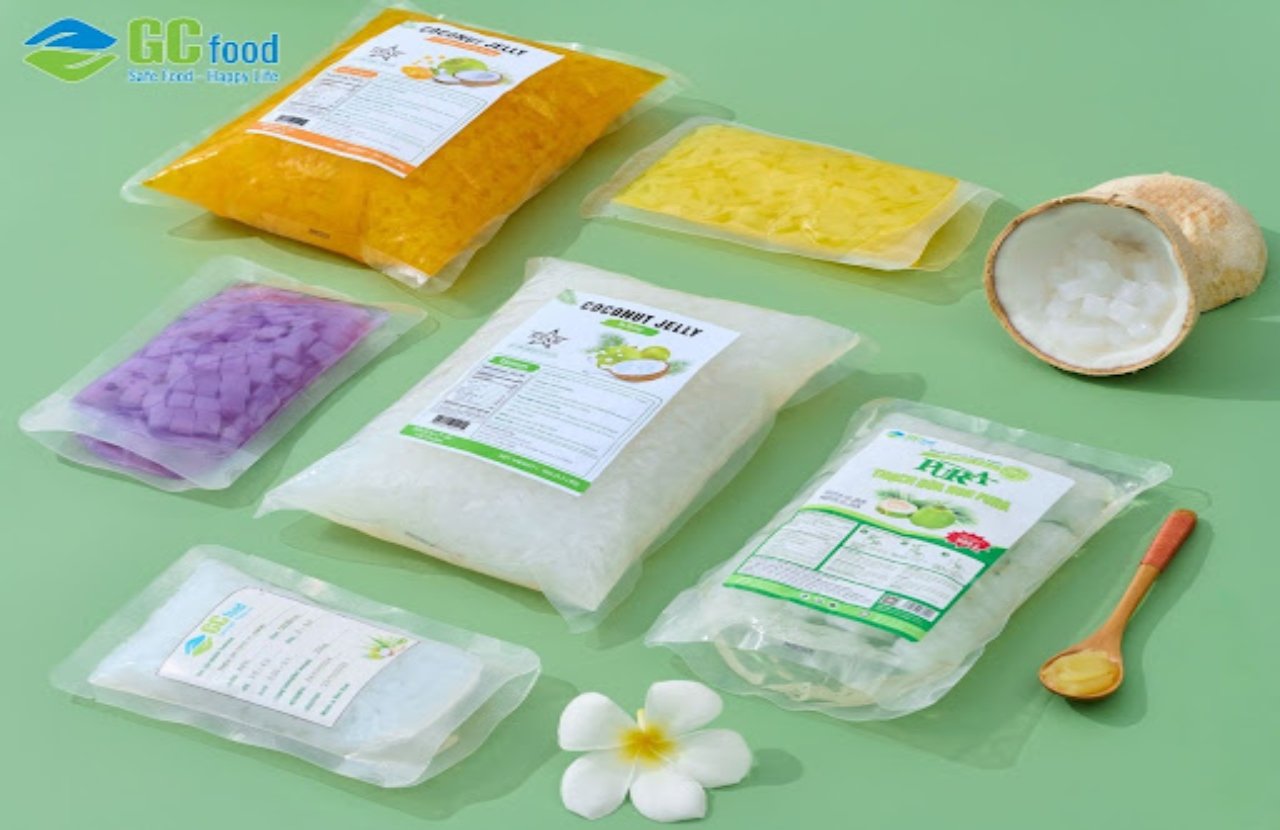
A strong manufacturer does not offer just one product. GC Food develops multiple nata de coco variations to suit different applications:
- Unsweetened or syrup-based coconut jelly cube for drinks and desserts.
- Mixed-size and shaped jelly for creative F&B concepts.
- Fruit-flavored and caramel coconut jelly for retail markets.
- Bulk aseptic packaging for industrial use.
This versatility allows partners to adapt products to local tastes while maintaining consistent quality.
Choosing where to buy nata de coco is a strategic decision that impacts product performance, customer trust and long-term growth. A supplier with strong raw material sourcing, certified production and global export experience offers far more value than low-cost alternatives.
By partnering with an established Vietnamese manufacturer like GC Food, businesses gain access to high-quality coconut jelly cube products, a reliable supply, and professional support – laying a solid foundation for success in the competitive global food market.