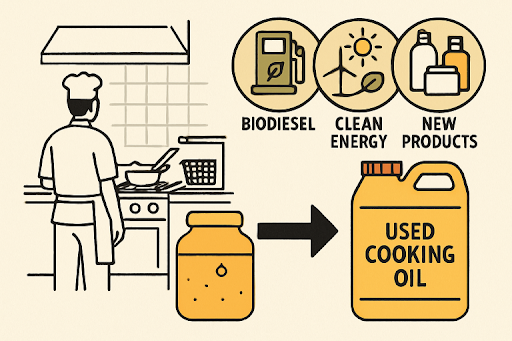
For restaurants and food service establishments, managing used cooking oil (UCO) is not only a daily necessity but also an environmental responsibility. Improperly discarding oil can lead to clogged sewers, polluted waterways, and increased maintenance costs for communities. As more businesses seek eco-friendly approaches, innovative recycling programs, and reliable partners like GF Commodities, it’s becoming easier to turn what was once considered waste into a valuable resource while supporting a cleaner, greener future.
Improper disposal of UCO goes beyond plumbing issues. When oil gets into municipal water systems, it forms fatbergs and disrupts wastewater treatment processes, harming aquatic life and potentially threatening drinking water supplies. To address these problems, sustainable practices such as proper collection and recycling help restaurants not only protect the environment but also benefit from economic incentives and regulatory compliance.
Thanks to rising demand for renewable fuels and increased awareness of sustainability, the restaurant industry now has multiple options beyond landfill disposal. Responsible oil management supports a circular economy and demonstrates corporate responsibility to customers and communities.
The shift to sustainable UCO management has paved the way for a range of innovations, making it easy for restaurant owners to participate in environmental stewardship while also reducing operating costs.
Environmental Impact of Improper Disposal
When used cooking oil is poured down the drain or disposed of in the trash, it creates problems that go beyond a single establishment. Sewer blockages from accumulated grease are a widespread cause of overflows, leading to property damage, costly repairs, and significant environmental harm. According to the U.S. Environmental Protection Agency, FOG (fats, oils, and grease) is among the primary causes of sanitary sewer overflows nationwide. These overflows release untreated sewage into streets and waterways, contaminating ecosystems and posing health risks.
A single gallon of improperly discarded oil can pollute up to a million gallons of fresh water. As UCO enters the water supply, it restricts oxygen levels, endangering fish and aquatic plants. The environmental costs of negligent UCO management underscore the urgency of responsible, sustainable solutions.
Recycling Used Cooking Oil into Biodiesel
One of the most successful strategies for managing UCO is recycling it into biodiesel. Biodiesel is a renewable, cleaner-burning alternative to petroleum-based diesel. By converting waste oil into fuel, restaurants not only divert waste from landfills but also reduce greenhouse gas emissions. According to the American Lung Association, biodiesel can cut lifecycle carbon emissions by up to 86% compared to regular diesel fuel.
For example, Restaurant Technologies reported recycling over 363 million pounds of used cooking oil into renewable diesel and biodiesel in 2024, an impressive achievement that underscores the industry’s growing commitment to sustainability. This approach is scalable and can be implemented by both small independent restaurants and large chains.
Innovative Uses of Recycled Cooking Oil
Biodiesel production is not the only avenue for recycled UCO. Scientists are finding new ways to transform used oil into eco-friendly products. Recent research has led to the development of high-strength adhesives, lubricants, and even recyclable plastics using components derived from cooking oil. These materials can help replace petroleum-based products, offering further environmental benefits and supporting a circular economy. As these technologies become more commercially viable, the value of recycled oil will continue to rise. For more insights, sources like National Geographic provide examples of these innovative uses and their positive impact.
Case Studies in Sustainable Oil Management
Large venues and municipalities are increasingly taking charge of their oil waste by establishing centralized collection and recycling systems. At Dallas Fort Worth International Airport, organizers created a coordinated program to collect UCO from dozens of food vendors. This effort not only improved their environmental footprint but also streamlined logistics and generated revenue from the sale of collected oil for fuel and industrial applications. Other cities have followed suit by offering recycling incentives and partnering with sustainable waste management companies.
Steps for Restaurants to Implement Sustainable Practices
Every restaurant can implement a sustainable plan for managing used cooking oil with a few simple steps:
- Install Proper Collection Systems: Use dedicated, labeled, and sealed containers to store UCO safely until pickup.
- Partner with Certified Recycling Services: Contract with reputable companies that have experience in oil collection and recycling.
- Educate Staff: Make sure employees understand proper handling, storage, and the environmental importance of UCO management.
- Monitor Oil Usage: Track oil consumption and disposal practices to find additional opportunities for reduction and efficiency.
Benefits of Partnering with Recycling Services
Choosing a reliable recycling partner unlocks several benefits for restaurants. First, it ensures oil is disposed of responsibly, reducing incidents of environmental damage. Certified recycling providers help restaurants stay compliant with local, state, and federal regulations, thereby minimizing legal risks. Additionally, many recyclers offer compensation or rebates for collected oil, turning a waste product into an additional revenue stream. Partnering with experts can also simplify operations. Regular pickups and professional support mean less time spent managing waste and more time focusing on customer service.
Future Trends in Used Cooking Oil Recycling
The market for recycled UCO is projected to grow significantly as demand for renewable diesel and sustainable manufacturing rises globally. According to Reuters, worldwide supply could reach 10 billion gallons by 2030, driven by ongoing investments in conversion infrastructure and new product applications. This trend signals increased business opportunities for foodservice providers ready to step up with sustainable oil management.
Conclusion
Managing used cooking oil should not be an afterthought for restaurants; it is a vital part of a broader commitment to sustainability and operational efficiency. Through innovative recycling methods and with resources like GF Commodities, establishments can convert waste into renewable energy, new materials, and direct financial rewards. Embracing these strategies not only solves environmental challenges but also creates lasting value for businesses, communities, and the planet. Adopting sustainable UCO management is an investment in the future, a step every responsible restaurant can take.