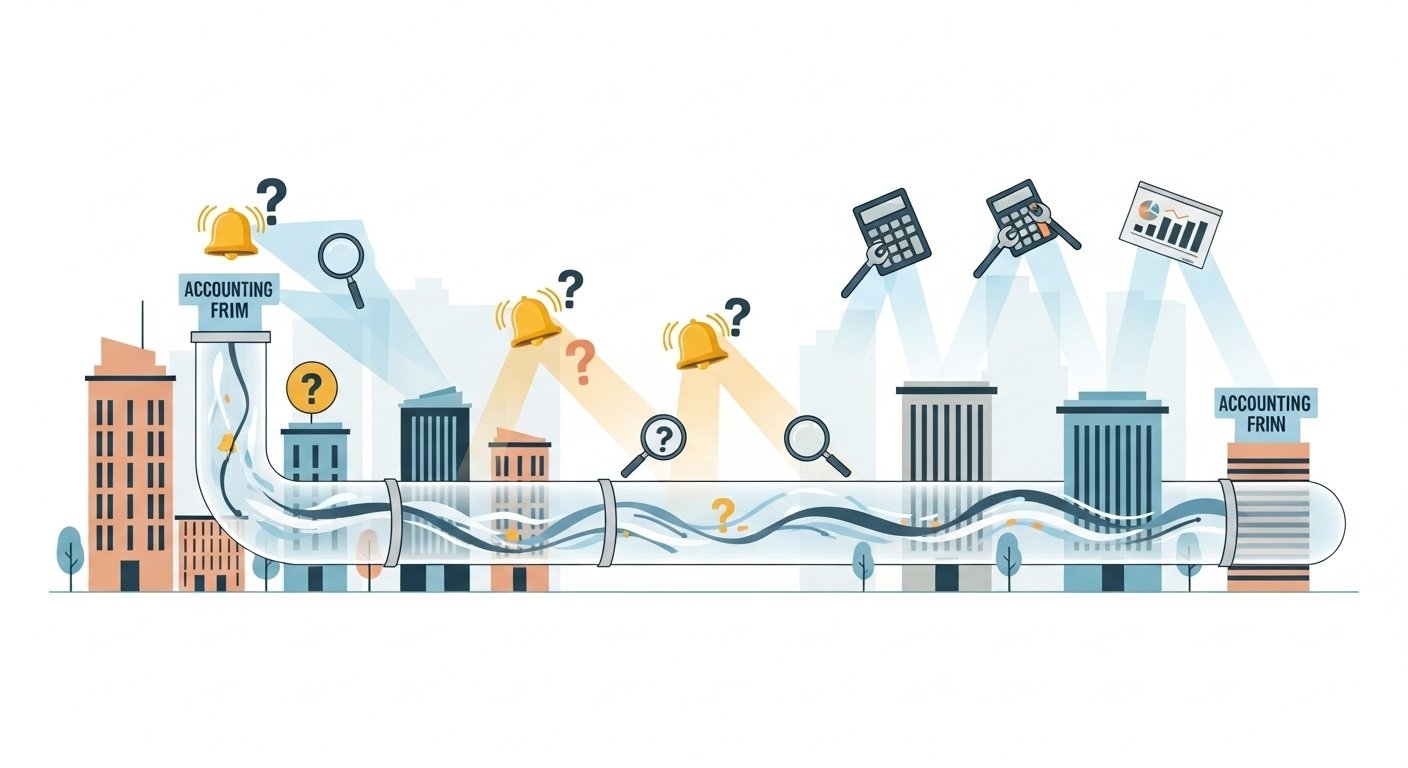
Cash flow surprises feel like a punch to the gut. One week you feel secure. The next week you scramble to cover payroll or rent. That sudden fear drains your focus and your sleep. You do not need to live like that. Accounting support turns random shocks into expected events. You start to see patterns, not chaos. You know what will hit your bank account and when. You also see warning signs early, before they grow. This blog explains how accountants in Springfield, MO track your numbers, test your assumptions, and build simple reports that you can trust. You learn how they spot leaks, smooth out timing gaps, and plan for slow months. You also see how they help you set aside cash for taxes and surprise repairs. By the end, you will know clear steps that reduce money shocks and protect your business.
Why cash flow shocks keep showing up
Cash flow surprises usually come from three sources. You do not see money coming in. You forget money going out. You do not plan for irregular costs.
Common causes include:
- Clients paying late or in uneven chunks
- Big bills that hit at once such as insurance or tax payments
- Seasonal slowdowns that you ignore until they hit
- Spending that creeps up without review
These problems build over time. You feel the shock only when the bank account drops. An accounting firm helps you see these patterns early. That early view gives you time to act.
How accountants turn chaos into a clear picture
You cannot control what you cannot see. Accounting firms start by cleaning your basic records. They match your bank and card activity to your books. They sort income and costs into clear groups. They fix gaps and mistakes.
Then they build three simple tools.
- A cash flow statement that shows money in and money out by month
- A short forecast that looks three to six months ahead
- A budget that sets planned limits for key types of spending
These tools are not just for large companies. The U.S. Small Business Administration explains that cash flow planning helps even the smallest shop avoid sudden shortages.
Spotting leaks and silent cash drains
Many businesses bleed money in quiet ways. A firm checks for three main leaks.
- Subscriptions and services you no longer use
- Late fees and finance charges
- Unbilled or underbilled work
Next, they compare your spending to your revenue. They look for costs that grow faster than sales. They also check if you hold too much stock or supplies that sit on shelves.
With this review, you get a short list of actions. You cut or pause some services. You adjust prices or terms. You set rules for who approves larger purchases. Each step reduces the chance that a surprise bill will push you into the red.
Planning for taxes, payroll, and other big hits
Big payments cause the worst shocks. Taxes, payroll, rent, and loan payments do not wait. A firm helps you break these large hits into small steps.
Accountants can help you:
- Estimate taxes by month instead of by year
- Set up a separate account for tax money and transfer funds each week
- Time large supply orders so they do not land in the same week as payroll
They also help you understand payment rules. The Internal Revenue Service explains how businesses must pay payroll taxes through its employment taxes guidance. A firm uses these rules to build a payment calendar that fits its cash cycles.
Building a simple cash reserve plan
Cash reserves act like a shock absorber. You do not need a huge pile of money. You need a clear rule and steady habits.
An accounting firm helps you:
- Set a target such as one month of core costs
- Pick a weekly or monthly transfer amount
- Park this money in a separate account that you touch only for true gaps
They also help you decide what counts as a true gap. A lost client. A broken key machine. A sudden drop in foot traffic. This clear rule stops you from draining the reserve for wants instead of needs.
Comparing do-it-yourself tracking and firm support
You may wonder if you can manage cash flow on your own. You can. The question is how much time and stress that takes. The table gives a simple comparison.
| Task | Do It Yourself | With Accounting Firm
|
|---|---|---|
| Bookkeeping | You enter and sort all data in your spare time | Firm posts and checks data on a set schedule |
| Cash flow forecast | Often done once then ignored | Updated often and tied to real numbers |
| Tax planning | Focus on filing deadlines only | Year-round plan with set monthly set-asides |
| Spending review | Done only when money feels tight | Done on a schedule with clear targets |
| Stress level | High during slow months | Lower because surprises are rare |
Turning information into calm action
Numbers alone do not fix cash flow. You need choices. A firm walks through options each time a risk shows up.
Together you might:
- Offer early pay discounts to key customers
- Ask for deposits on large jobs
- Shift some costs from fixed to flexible terms
You also agree on triggers. If cash drops below a set level, you pause nonessential spending. If receivables pass a set age, you start firmer follow-up. These rules protect you when you feel tired or under pressure.
Protecting your family and your staff
Cash flow is not only about numbers. It touches your home life and your team. Missed paychecks, late rent, and constant fear strain families. Clear cash plans protect the people who trust you.
When you work with an accounting firm, you send a message. You take your duty to your staff and your loved ones seriously. You put structure around a part of the business that often feels out of control.
With steady support, surprises lose their power. You still face slow weeks and sudden costs. Yet you meet them with a plan, not panic. That calm state is the real reward of strong cash flow control.