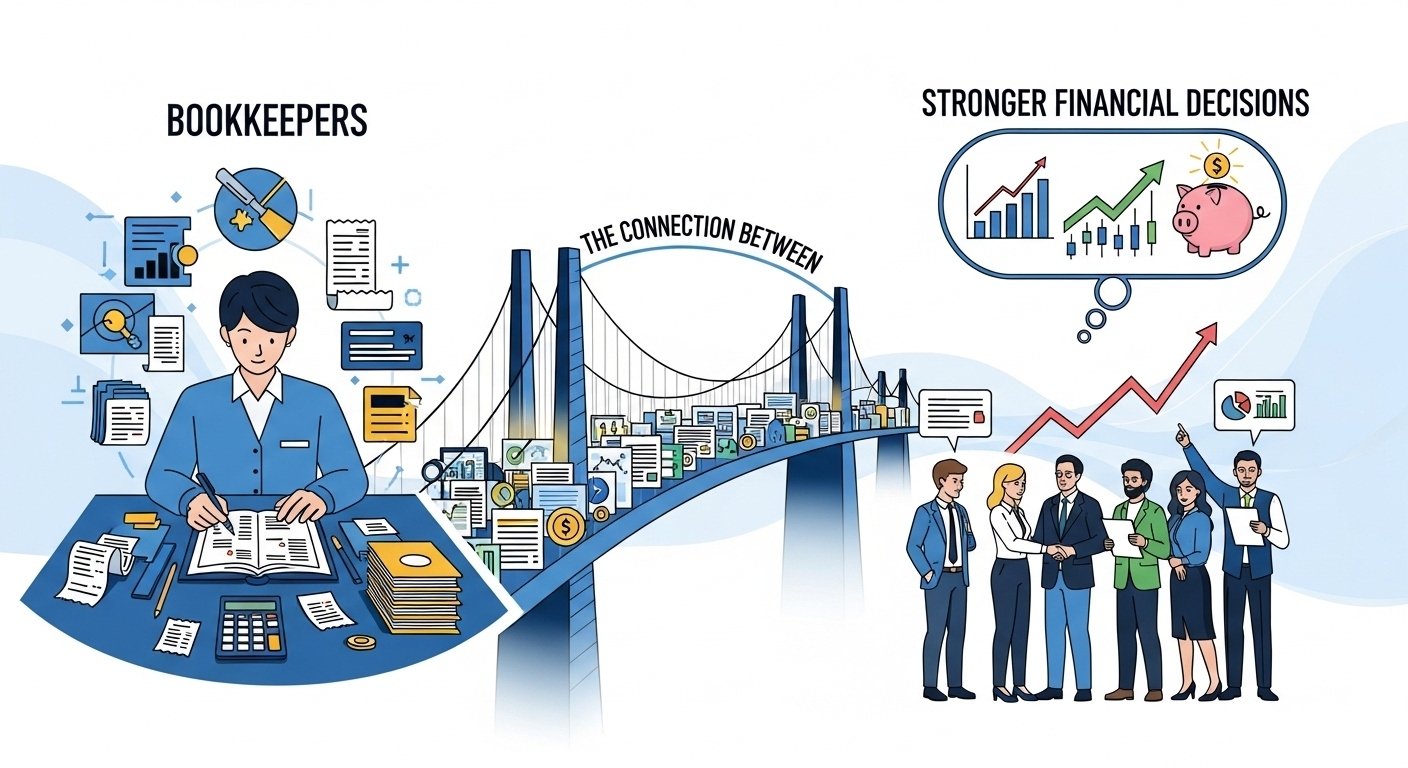
Money decisions can feel lonely. Bills arrive. Numbers blur. You guess instead of choosing. A skilled bookkeeper changes that confusion into clear facts. Careful records show where every dollar comes from and where it goes. Patterns appear. Waste stands out. Smart options become obvious.
This blog explains how steady bookkeeping supports stronger financial choices. It shows how a bookkeeper in Wichita, KS can help you track spending, plan for taxes, and spot risk early. It also explains how clean books protect you during audits and hard talks with lenders.
You will see three simple links between bookkeepers and better decisions.
You gain honest numbers.
You gain timely reports.
You gain practical guidance.
Each piece works together. You do not need complex tools or advanced training. You need clear records, regular checkups, and someone who treats your money with care.
Honest numbers give you a clear picture
Strong choices start with truth. You cannot plan if your records are late or wrong. A bookkeeper keeps your numbers honest. Every receipt, invoice, and payment finds a place. Nothing hides in a pile or a memory.
With clean books, you can answer three hard questions.
- How much money comes in each month
- How much money goes out
- What remains for savings or growth
Those answers remove guesswork. They also protect you from painful surprises. When you know your real cash, you do not spend based on hope. You spend based on fact.
The Consumer Financial Protection Bureau budgeting guide shows the power of tracking income and expenses. A bookkeeper follows the same idea for your home or business. Careful tracking turns vague stress into clear choices.
Timely reports support quick action
Money problems grow when you see them late. A bookkeeper prepares regular reports so you can act in time. Monthly reports help you catch trouble early. They also show small wins that build trust in your plan.
Common reports include three core tools.
- Profit and loss statement. Shows if you earn more than you spend.
- Balance sheet. List what you own and what you owe.
- Cash flow report. Shows when money enters and leaves.
Each report answers a different question. Together, they paint a full picture. When you read them each month, you see patterns. You notice when costs creep up. You spot slow seasons. You learn when to save and when to invest.
Comparison of decisions with and without a bookkeeper
| Financial task | Without bookkeeper | With bookkeeper
|
|---|---|---|
| Monthly spending review | Done late or not at all. Based on memory. | Done on schedule. Based on records. |
| Tax planning | Rushed at deadline. Frequent missed deductions. | Prepared early. Clear support for deductions. |
| Handling surprise bills | Panic. Use high-interest credit. | Use set aside funds or planned credit. |
| Talking with lenders | Loose numbers. Low trust. | Formal reports. Higher trust. |
| Family money talks | Blame and fear. | Shared facts and calm plans. |
Practical guidance for daily choices
Numbers alone do not fix money strain. You also need guidance. A bookkeeper notices trends and points to next steps. That guidance stays simple and specific. Spend less here. Raise the price there. Build a small reserve.
You still decide. Yet you no longer decide in the dark. You decide with support. Over time, your habits shift. You check reports before big buys. You set money aside for taxes. You set clear limits for spending.
For families, this support can ease tension. Clear records prevent blame. You can say what the numbers show instead of what you fear. Children also see steady habits. They learn that money choices rest on facts, not impulse.
Protection during audits and reviews
Audits cause fear for many people. A bookkeeper lowers that fear through order. Receipts match entries. Bank statements match totals. When questions come, you have proof.
The IRS recordkeeping guidance explains why good records matter for tax reviews. A bookkeeper follows these rules. That support can prevent fees and reduce stress. It can also shorten the time an audit disrupts your life or work.
Lenders and grant programs also look for clean books. When you apply for a loan, they check if your records show steady habits. A bookkeeper helps you present clear and honest reports. That honesty builds trust and can open doors.
Planning for the future with confidence
Strong money decisions today shape your choices tomorrow. With steady bookkeeping, you can set goals that match your real capacity. You can plan for three key needs.
- Short-term needs such as rent, payroll, and food
- Medium-term needs such as repairs and equipment
- Long-term needs such as retirement and education
Each goal uses the same base. Honest numbers. Timely reports. Simple guidance. When those pieces stay in place, money talks become less tense. You move from constant reaction to steady control.
Taking your next step
You do not need to handle every receipt alone. You can choose support that fits your budget and comfort. Some people hire a bookkeeper for a few hours each month. Others choose weekly help. Some start with a one-time cleanup of old records.
The key step is clear. Stop guessing. Start tracking. Let a bookkeeper turn your money story into plain numbers. With that clarity, each choice grows stronger and less painful. Over time, confident decisions replace quiet worry.