



Starting a meaningful career in caregiving opens doors to a profession that is both purposeful and empowering, allowing you to make a lasting difference. Whether you are drawn to supporting older adults, individuals with disabilities, or those facing illness, caregiving allows you to enrich the lives of others. If you’re interested in current opportunities, Dayton caregiver jobs offer entry points for compassionate individuals ready to embark on their caregiving journey.
Caregiving is more than a job—it’s a calling that rewards both the recipient and the caregiver with connection, fulfillment, and growth. As the need for dedicated caregivers continues to rise, understanding the pathway to a professional caregiving career is crucial for making informed, impactful choices at every step.
With the proper approach, you can transition into this highly valued field, enjoy steady employment, and access ongoing opportunities for advancement. By embracing the demands and rewards of this work, you develop skills that are not only essential for your career but also meaningful for your personal growth and the impact you have on your community.
To help you get started, this guide covers everything from understanding the role to developing core qualities and acquiring essential education and experience, as well as networking, job searching, and building long-term career satisfaction.
Understanding the Role of a Caregiver
Caregivers are indispensable to the well-being of individuals who are unable to care for themselves fully. Daily responsibilities span a range, from assisting with personal tasks and mobility to managing medication and providing emotional support. This role often means being a source of stability, encouragement, and trust for clients who may be vulnerable or facing significant challenges.
Effective caregiving demands adaptability, as the needs and backgrounds of care recipients are always diverse. Whether you work with seniors, individuals recovering from surgery, or those with chronic conditions, the goal is to enrich their lives, foster dignity, and maintain or improve their quality of life.
Essential Qualities of a Successful Caregiver
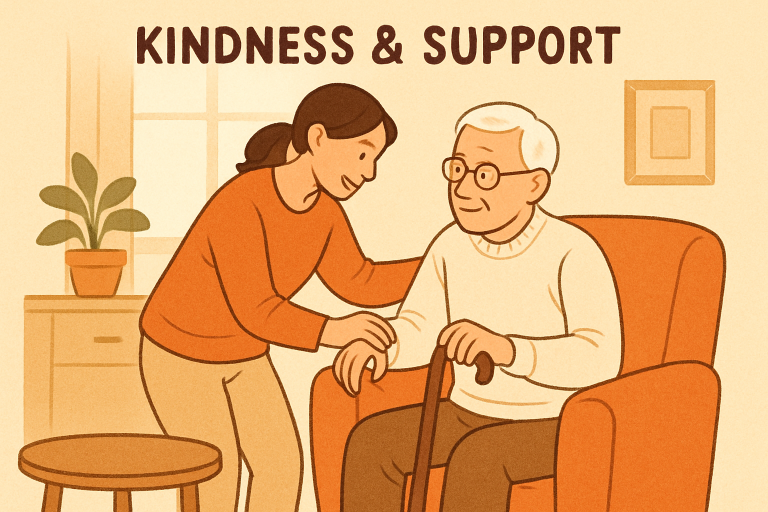
Empathy is arguably the most essential trait for caregivers, as it fosters authentic understanding and compassion. Patience is equally crucial—effective caregiving relies on responding respectfully and calmly, particularly in challenging or stressful situations. Strong communication skills are also vital, as they help establish trust with care recipients and facilitate smooth coordination with their families or healthcare providers. Additionally, attention to detail, physical stamina, and reliability are key qualities for providing responsible and effective care.
Embracing these characteristics not only enhances your capabilities but also improves your clients’ comfort, leading to stronger relationships and a more rewarding experience for everyone involved.
Educational Requirements and Training
To become a caregiver, you usually need a high school diploma or its equivalent. Some states and employers may also require specific certifications for caregivers, as well as CPR/First Aid training or completion of approved training programs. Many caregiving positions provide opportunities for those with limited formal education, often supplemented by on-the-job training and mentorship programs.
Continuous learning is part of a caregiver’s journey. Local community colleges, nonprofit organizations, and online courses offer programs for certification or skill enhancement, making it easier to adapt to evolving care standards or specialize in areas such as dementia, disability care, or hospice support.
Gaining Practical Experience
Direct, hands-on experience is invaluable in caregiving. Many aspiring caregivers begin by assisting a family member, volunteering at community centers, or shadowing experienced professionals. This real-world practice not only develops your caregiving skills but also demonstrates your commitment and readiness for the field to future employers. Practical experience often reveals one’s passion for a specific care setting and informs long-term career direction.
Building a Professional Network
Networking strengthens your support system and opens doors to new opportunities. Attend industry workshops, join a professional association, or participate in caregiver support groups to meet peers and mentors. Connections gained through networking may lead to job referrals, collaborative partnerships, or continuing education opportunities, all of which support your professional growth and resourcefulness as a caregiver.
Navigating the Job Market
To find the proper caregiving role, carefully research employers’ missions and values. Use job boards focused on healthcare and caregiving positions, as well as local agencies and facilities. When presenting yourself to potential employers, tailor your resume to highlight your core caregiving skills, training, volunteer work, and areas of specialization. Preparing for interviews by reflecting on real experiences or challenges can help demonstrate your problem-solving abilities and commitment to compassionate care.
Continuing Education and Career Advancement
Long-term fulfillment in caregiving is closely tied to ongoing education and skill development. Advanced certifications can lead to higher-pay positions, specialized caregiver roles, or transition into related healthcare careers, such as nursing or therapy. Stay current by attending workshops, completing online courses, or joining professional associations where you can learn from the latest research or regulations in caregiving.
Balancing Caregiving and Personal Life
Caregiving is rewarding, but it’s also emotionally and physically demanding. Maintaining your own well-being is essential. Practice self-care, set clear boundaries, and seek peer support or counseling when needed. Effective time management and regular breaks help prevent burnout and support ongoing enthusiasm for both your caregiving role and personal life.
Building a meaningful career in caregiving requires dedication, resilience, and a deep sense of empathy. As you develop the skills and relationships integral to this field, you will find not only professional satisfaction but also the privilege of making a real difference in the lives of others—and in your own.
Conclusion
Starting a career in caregiving offers the opportunity to make a meaningful impact while developing valuable personal and professional skills. By cultivating essential qualities, gaining practical experience, pursuing education, and building a supportive network, aspiring caregivers can navigate the field with confidence and purpose. Balancing professional responsibilities with self-care ensures sustainability and long-term fulfillment. With dedication and compassion, a career in caregiving becomes not just a job, but a rewarding journey that enriches the lives of both caregivers and those they care for.