
The landscape of employee recognition is undergoing significant change as organizations prioritize more meaningful and innovative ways to engage their teams. In 2026, companies must look beyond conventional approaches to maintain a competitive edge in attracting and retaining top talent. Recognition is now seen as a key factor in shaping company culture and driving long-term business outcomes. Forward-thinking leaders are focusing on inventive strategies that resonate with modern workforce values, emphasizing authenticity and relevance in every gesture.
One area where organizations are excelling is by making recognition more personal and more visible. Creative use of recognition awards and experiences is reshaping what appreciation looks like in the workplace, ensuring employees feel truly seen for their unique contributions. This shift goes hand in hand with the understanding that one-size-fits-all solutions are no longer effective, especially in diverse work environments with varied interests and needs.
In addition, successful organizations are embracing digital transformation by embedding recognition directly into the daily workflow. This allows achievement acknowledgment to feel natural and immediate, reinforcing positive behaviors and encouraging ongoing engagement. The rise of peer-driven programs is another major trend, creating a culture in which appreciation flows across all levels of the organization.
Supporting employee well-being has also become a core pillar of recognition. Companies are now integrating well-being initiatives into their recognition strategies, providing employees not just with rewards but a sense of belonging and holistic support. These progressive trends are shaping the future of work, making recognition a dynamic and central part of the employee experience.
Personalized Rewards
As the demand for individualized recognition grows, generic rewards are rapidly losing their appeal. Forward-thinking companies are personalizing awards and gestures, taking into account employees’ interests, professional aspirations, and even life milestones. For example, some organizations offer tailored professional development courses or unique experiences such as travel vouchers or concert tickets based on direct input from their teams. Customization ensures recognition feels genuine, strengthening morale and loyalty. Studies show that personalized appreciation can increase employee engagement by up to 50%.
Peer-to-Peer Recognition
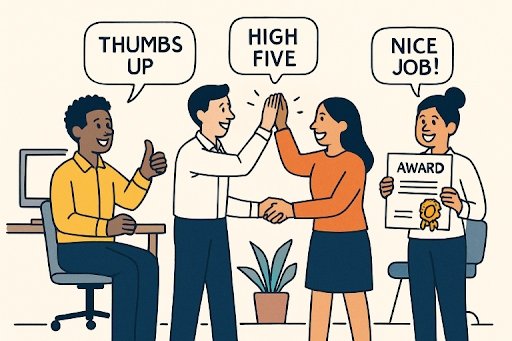
Peer-to-peer recognition is transforming organizational culture. By empowering employees to celebrate one another’s successes, companies encourage a more interconnected and supportive workplace. Digital platforms now facilitate instant kudos, often in the form of public acknowledgments, thank you notes, or small, meaningful rewards. This multi-directional approach helps dismantle hierarchical barriers and taps into the organization’s collective spirit. Research from Gallup indicates that employees who feel appreciated by colleagues are significantly more likely to report a sense of belonging and trust at work.
Integrating Recognition into Workflows
Recognition is most effective when it’s timely and seamlessly integrated into daily routines. Businesses are increasingly embedding recognition capabilities into collaboration tools such as Slack, Microsoft Teams, and Workday. These integrations enable managers and peers to deliver real-time acknowledgment without interrupting workflow. For example, a shout-out in a team chat or a direct compliment following a project milestone reinforces the right behaviors and keeps motivation high, while maintaining momentum and reducing friction in daily tasks.
Gamification
The introduction of gamification has revolutionized employee engagement. By implementing game-like features such as point systems, badges, or leaderboards, organizations inject fun and competition into recognition initiatives. Employees are motivated to participate more actively because achievement is not only recognized but also celebrated publicly and dynamically. Gamification enhances the experience of recognition, transforming it from an occasional event to an ongoing, interactive journey that appeals to a wide array of personalities and motivations.
Well-Being-Focused Recognition
Holistic well-being is now a critical part of recognition strategies. Companies are extending rewards beyond traditional boundaries by acknowledging not only professional success but also personal growth and wellness. Initiatives may include mental health days, flexible working arrangements, wellness stipends, or access to mindfulness and fitness programs. These efforts send a powerful message that employees’ overall health and happiness are valued, contributing to sustained engagement and lower turnover rates. As organizations face a competitive talent market, support for well-being is becoming a strong differentiator.
Data-Driven Recognition
The use of analytics to inform recognition decisions is on the rise. Leaders are leveraging data to identify key outcomes and behaviors that drive business success, ensuring that those who move the needle are acknowledged in meaningful ways. For instance, tracking KPIs related to team collaboration, innovation, or customer satisfaction and tying recognition to these indicators aligns appreciation with organizational priorities. This approach fosters a meritocratic culture where contributions are transparently rewarded and sets the stage for continuous improvement.
Inclusive Offboarding
Recognition doesn’t end when an employee leaves. Many leading organizations are staging thoughtful offboarding ceremonies, treating departing employees as valued alumni rather than simple exits. These practices include sharing personalized farewells, offering networking opportunities, or inviting retirees to company events and mentorship programs. Inclusive offboarding not only honors the individual’s legacy but also lays the groundwork for future collaboration, referrals, or even rehiring, echoing the alumni-focused traditions found in academia.
Conclusion
In 2026, innovative employee recognition strategies are redefining how organizations acknowledge and motivate their people. By personalizing rewards, integrating recognition into the workflow, gamifying appreciation programs, and promoting well-being, businesses create a vibrant culture of gratitude and engagement. These forward-looking practices not only enhance retention and job satisfaction but also drive sustainable organizational success in a rapidly evolving workforce landscape.