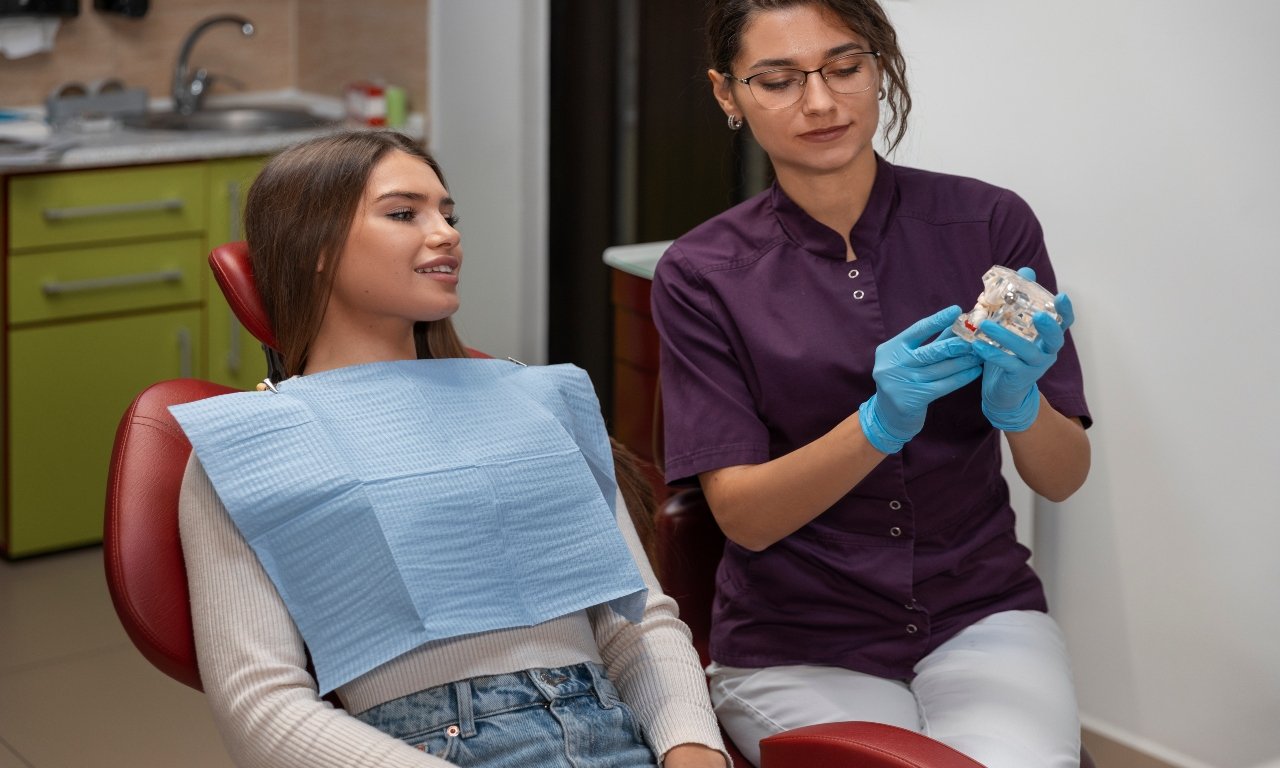
You might be feeling a mix of pride and worry right now. You invested time, money, and energy into your smile, and for the first time in a while, you actually like what you see in the mirror. At the same time, a quiet question lingers in the back of your mind. How long will this last, and what if something chips, stains, or breaks and you suddenly need Emergency dental care for severe tooth pain in Peachtree Corners?
That tension is completely normal. You finally have veneers, crowns, bonding, or implants that look the way you always hoped, and now you feel pressure not to “mess it up.” You may even find yourself biting more carefully, or smiling while wondering if people can tell what is “real” and what is restored.
The good news is that long term care is less about perfection and more about consistent, simple habits. With the right daily routine, smart choices about food and lifestyle, and regular visits with a cosmetic and restorative dentist, your restorations can stay strong and beautiful for many years. In short, you do not need to live in fear. You just need a plan.
What Makes Long Term Care For Cosmetic Restorations Feel So Stressful?
Think about what you have already gone through. Maybe you spent months in treatment, or you finally decided to fix something that had bothered you for years. Now that the work is done, you may feel like the stakes are higher. If a natural tooth chips, it feels frustrating. If a veneer or crown chips, it can feel like you “failed” to take care of it, or that you wasted your investment.
There is also the financial side. Cosmetic and restorative dentistry is not cheap, and you might quietly worry about having to pay for the same tooth twice. That fear can show up every time you chew something harder than bread, or every time you sip coffee and wonder if you are staining your restorations.
On top of that, there is confusion. You might hear different advice from different people. One person tells you veneers never stain, another says they do. Someone online says you can eat anything with crowns, while your dentist told you to be cautious. When the information is mixed, it is easy to feel stuck between anxiety and guesswork.
So where does that leave you? You need clarity. You need to know what actually damages restorations, what is normal wear, and what you can do day to day to protect what you have already built.
What Actually Puts Your Restorations At Risk Over Time?
Whether you have veneers, crowns, bonding, bridges, or implants, most of the long term risks fall into a few simple categories. When you understand those, the path to protecting your smile becomes clearer.
First, there is everyday wear and tear. Restorations are strong, but they are not indestructible. Chewing ice, biting pens, or using your teeth to open packages can crack or chip even the best work. If you clench or grind your teeth at night, the pressure can slowly weaken the edges of veneers or the porcelain on crowns.
Second, there is staining and surface damage. Porcelain is more stain resistant than natural enamel, but certain foods, drinks, and habits can still change the way your smile looks over time. Dark drinks, smoking, and abrasive whitening products can roughen the surface or create uneven color between your natural teeth and your cosmetic work.
Third, and most important, there is the health of the tooth and gum underneath. Even if a crown or veneer looks perfect, decay can still form along the edges if plaque builds up. Gum disease can cause recession, which exposes the edges of restorations and makes them look “too long” or mismatched. That is why caring for cosmetic work is really about caring for your whole mouth.
If you want more detail about how to keep your mouth healthy in general, you can review this clear guide on taking care of your teeth and mouth. It explains how daily care and regular checkups protect both natural teeth and restorations.
Is Professional Care Really Different From Just Being Careful At Home?
You might wonder if you can simply brush a little more carefully, avoid hard foods, and call it good. Or if you really need to keep seeing a cosmetic and restorative dentist once everything “looks fine.” To answer that, it helps to look at what you can realistically manage on your own, and what requires trained eyes and tools.
The truth is, home care and professional care work together. Skipping either one creates small problems that slowly grow. To make this easier to see, here is a simple comparison of what you can handle yourself and what a professional does to support long term care of cosmetic restorations.
| Care Approach | What You Can Do At Home | What A Cosmetic And Restorative Dentist Provides |
|---|---|---|
| Daily Cleaning | Brush 2 times a day with fluoride toothpaste, floss or use interdental cleaners, avoid harsh scrubbing that can irritate gums or scratch resin. | Professional cleanings that remove hardened tartar around veneers, crowns, and implants without scratching surfaces. |
| Detecting Problems Early | Notice pain, sensitivity, or visible chips, and avoid chewing on that side when something feels “off.” | Check margins of restorations, look for decay, hairline cracks, gum disease, and bite problems before you feel symptoms. |
| Protecting Against Grinding | Pay attention to morning jaw soreness or headaches, reduce stress where possible, avoid chewing on pens or ice. | Diagnose grinding or clenching, create a custom night guard that protects porcelain and natural teeth from excess force. |
| Managing Stains | Limit dark drinks, rinse after coffee or wine, avoid smoking, choose gentle whitening for natural teeth only. | Polish restorations carefully, guide you on safe whitening so your natural teeth and restorations match in color. |
| Long Term Planning | Keep a simple routine and pay attention when something changes in your mouth. | Monitor how your bite, gums, and restorations age together, and plan repairs or replacements before emergencies happen. |
Research shows that regular care and cleanings reduce the risk of gum disease and tooth loss, which in turn protects the teeth and bone that support your cosmetic work. Resources like this overview on dental health and disease prevention explain how issues like plaque and gum inflammation quietly affect long term results.
6 Tips For Caring For Cosmetic Restorations Long Term
With that context, you can start to see that caring for your smile is not about being perfect. It is about small, consistent choices. These six tips bring the emotional, practical, and medical pieces together so your restorations last as long as possible.
- Treat your restorations like high quality teeth, not fragile glass
You do not need to live in fear of biting into a sandwich, but you do need to respect the limits of porcelain and resin. Avoid chewing ice, hard candy, popcorn kernels, or using your teeth as tools. If you know you tend to bite your nails or chew on pens when you are stressed, notice that habit and interrupt it. Small changes in what you chew on can prevent cracks and chips that are far more expensive to fix later.
- Make your daily cleaning gentle, thorough, and consistent
Good home care is the foundation of long term cosmetic restoration maintenance. Brush twice a day with a soft bristle brush and fluoride toothpaste. Use small, circular motions at the gumline instead of hard scrubbing. Floss or use interdental brushes to clean between teeth and under bridges. Pay special attention to the edges where restorations meet your natural teeth. Keeping plaque away from those margins protects both the restoration and the tooth underneath.
If you want a simple refresher on brushing, flossing, and mouth care, you can look at this guide on oral health tips for adults. It focuses on habits that support healthy gums and teeth at every age.
- Protect your smile from grinding, clenching, and heavy biting
Many people grind or clench without realizing it, especially during sleep or stressful times. Over time, that pressure can wear away the edges of veneers, fracture porcelain on crowns, or loosen implant restorations. If you wake with sore jaw muscles, tension headaches, or notice flat or chipped edges, talk to a cosmetic and restorative dentist about a custom night guard. It may feel like one more step, but it can extend the life of your restorations by years.
- Be smart about stains and whitening
Porcelain resists stains better than natural enamel, but it is not completely immune. Limit or rinse after coffee, tea, red wine, dark sodas, and highly pigmented foods. If you smoke, understand that it can stain both natural teeth and some restoration materials, and it also harms gum health.
For whitening, be cautious. Over the counter whitening products can make natural teeth lighter while your restorations stay the same shade, which creates a mismatch. Talk with your dentist before whitening. They can guide you so that your natural teeth and your cosmetic dental work stay in harmony.
- Keep your gums healthy so your restorations keep looking natural
Even perfect porcelain looks unnatural if the gums around it are inflamed or receding. Bleeding when you brush, swelling, or tenderness are early signs that your gums need attention. Regular cleanings, careful flossing, and sometimes deeper gum treatments protect the frame around your smile. Healthy, pink, stable gums help crowns, veneers, and bridges blend in and age gracefully.
- See your cosmetic and restorative dentist regularly, not only in emergencies
It can be tempting to think “Everything looks fine, I will call only if something breaks.” The problem is that many issues start small and painless. A tiny crack, a bit of decay under a margin, or early gum changes are much easier and cheaper to fix when caught early.
Regular checkups allow your dentist to monitor your bite, your restorations, and the health of the teeth and gums that support them. They can polish surfaces safely, adjust minor bite issues, and give you practical tips tailored to the work you have had done. This consistent partnership is one of the strongest protections you have for long term success.
What Can You Do Today To Protect Your Restorations?
You do not need to overhaul your life overnight. Instead, focus on a few powerful steps you can start right away.
Step 1: Upgrade your daily routine just a little
Commit to brushing twice a day and cleaning between your teeth once a day. Switch to a soft bristle brush if you use a hard one. Pay extra attention to the gumline around your crowns, veneers, and bridges. These small upgrades create a strong base for everything else.
Step 2: Choose one habit to stop and one habit to start
Pick a single “risky” habit to stop, such as chewing ice, opening things with your teeth, or grinding without a night guard. At the same time, choose one helpful habit to start, such as rinsing with water after coffee or scheduling your next cleaning. Change feels more manageable when you narrow your focus.
Step 3: Schedule a check-in with a cosmetic and restorative dentist
If it has been more than six months since your last visit, or if you have never had your restorations checked after they were placed, schedule an appointment. Ask for a careful review of your bite, the margins of your restorations, and your gum health. Share any concerns you have about sensitivity, stains, or changes in how your teeth feel when you chew.
Moving Forward With Confidence About Your Smile
You have already done something meaningful for yourself by choosing to restore your smile. It is normal to worry about protecting that investment, especially when the work carries emotional weight as well as financial cost. The important thing to remember is that you are not supposed to manage this alone.
With steady home care, awareness of your habits, and a trusted cosmetic and restorative dentist in your corner, your restorations can stay strong, comfortable, and beautiful for many years. You do not have to chase perfection. You only need consistent, kind attention to your teeth, your gums, and the work you have already done for yourself.
If you are feeling unsure about where to start, begin with your daily routine and a simple checkup. From there, you and your dentist can build a plan that keeps your smile looking and feeling the way you hoped when you first decided to seek care.