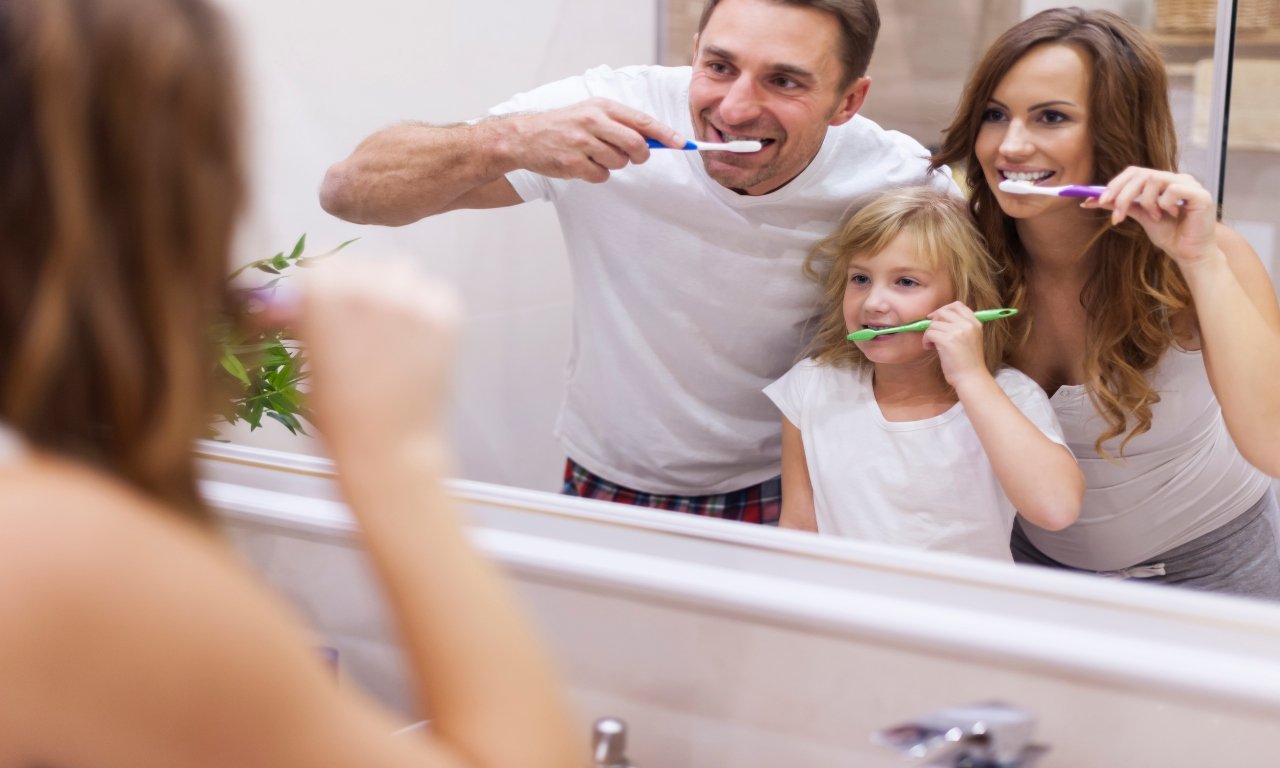
You may have noticed it slowly. A child’s smile looks a little dull after months of juice boxes, or your own teeth seem darker even though you brush every day. That can feel frustrating, especially when you are trying to do the right things at home and still not seeing the bright, clean look you want. The good news is that many common stains can be reduced, and some can be prevented, with steady habits and a little know how. A Hemet dentist can also help you understand the cause of discoloration and recommend the best next steps.
If you want the short version, it is this. Teeth stain prevention at home usually comes down to daily brushing and flossing, smart food and drink choices, water after staining foods, and knowing when surface stains may need help from a general and cosmetic dentist. Once you understand what causes discoloration, it becomes much easier to protect your family’s smiles without guesswork.
Why do teeth stains happen even when your family brushes every day?
This is where many families get stuck. You can have a solid routine and still see yellow or brown changes over time. Why? Because not all stains come from poor hygiene. Some are on the surface, caused by coffee, tea, berries, tomato sauce, soda, sports drinks, and tobacco. Others settle deeper and may be linked to aging, certain medicines, too much fluoride during tooth development, or enamel wear.
Because of this, brushing alone does not always erase the problem. A child who sips juice through the afternoon may expose teeth to sugar and acids again and again. An adult who starts the day with coffee and ends it with red sauce may be doing the same. Even healthy foods can play a role. Blueberries, beets, and dark sauces are nutritious, but they can leave color behind if they sit on teeth.
So, where does that leave you? It means home care still matters a great deal, but it works best when it is paired with realistic expectations. Surface stains often respond well to prevention habits. Deeper discoloration may need an exam to find the cause and talk through safe cosmetic options.
What daily habits help with at home teeth discoloration prevention?
The most helpful routines are often the simplest. Brushing twice a day with fluoride toothpaste helps remove plaque and stain buildup before it hardens. Flossing once a day matters too, since stains and plaque do not stay only on the flat front of the teeth. If you want a trusted overview of home care basics, the National Institute of Dental and Craniofacial Research offers clear guidance on oral hygiene habits.
Food choices also shape what happens to your teeth. Drinks and snacks that are high in sugar and acid can weaken enamel, making stains more likely to cling. Choosing water more often, limiting frequent sipping, and serving stain heavy foods with meals instead of as all day snacks can help. For families trying to balance nutrition and oral health, HRSA shares useful information about nutrition and healthy eating for teeth.
And then there is timing. If your child has a popsicle at a party or you finish a cup of coffee, rinsing with water afterward can make a real difference. It is a small step, but it helps wash away pigments and acids before they linger.
How can you tell the difference between surface stains and something more?
This question matters because not every color change should be treated the same way. Surface stains usually develop slowly and often relate to foods, drinks, or tobacco. They may look yellow, tan, or brown, and they often improve with consistent cleaning. Deeper stains can appear gray, dark brown, or uneven, and they may not budge much with brushing.
If a tooth changes color after an injury, or if one tooth looks much darker than the others, that deserves attention. The same is true if you notice staining along with pain, swelling, or sensitivity. MedlinePlus explains common causes of tooth discoloration, which can help you understand when a stain may be more than cosmetic.
In other words, preventing tooth stains at home is important, but so is knowing when home care has reached its limit.
Which home stain prevention choices help most, and which ones can backfire?
Families often hear mixed advice. Whitening toothpaste, baking soda, charcoal products, whitening strips, electric toothbrushes, and home remedies all get talked about online. Some can help a little. Some can wear enamel down if used too often or too harshly. That is why it helps to compare them side by side.
| Option | How It Helps | Best For | Watch Out For |
|---|---|---|---|
| Brushing with fluoride toothpaste twice daily | Removes plaque and some surface stain | Daily prevention for all ages | Scrubbing too hard can irritate gums |
| Flossing once daily | Cleans between teeth where stain and plaque collect | Preventing buildup in tight spaces | Skipping it limits results from brushing |
| Rinsing with water after coffee, tea, juice, or sauce | Reduces how long pigments and acids stay on teeth | Busy families who need a simple habit | Helpful, but not a substitute for brushing |
| Whitening toothpaste | May lift mild surface stains | Adults with light staining | Some formulas can be abrasive if overused |
| Charcoal or abrasive DIY products | May seem to polish surface stains | Usually not the first choice | Can wear enamel and make teeth look worse over time |
| Visit with a general and cosmetic dentist | Finds the cause and offers safe treatment options | Stubborn, uneven, or deep discoloration | Needed when home care is not enough |
What can your family do right now to protect brighter smiles?
- Build a simple stain defense routine. Brush in the morning and before bed, floss once a day, and rinse with water after dark drinks or colorful foods. If your child is old enough for a straw, using one for cold dark drinks can reduce contact with front teeth.
- Change how often staining foods hit the teeth. It is not always about banning favorite foods. It is often about frequency. Having juice, soda, or sweet tea once with a meal is easier on teeth than sipping it for hours. The same idea applies to snacks that cling to enamel.
- Pay attention to stains that look unusual. If one tooth darkens, if the color change appears quickly, or if whitening products cause sensitivity, pause and get advice. A general and cosmetic dentist can help you sort out whether you are seeing a simple surface issue or something deeper.
When is it time to stop guessing and get help?
If your family has been doing the right things at home and stains keep getting worse, you are not failing. Sometimes the cause is deeper than daily brushing can fix. Sometimes enamel has thinned, old buildup needs a professional cleaning, or the discoloration has a medical cause. That is when a calm, clear conversation with a dental professional can save time, money, and stress.
Your family does not need a perfect routine to make progress. Small changes, done consistently, can go a long way toward cleaner looking teeth and more confidence when you smile. If stains are not improving or you want guidance that fits your household, reach out to a dental office and ask about the next step for safer, smarter stain prevention and cosmetic care.