



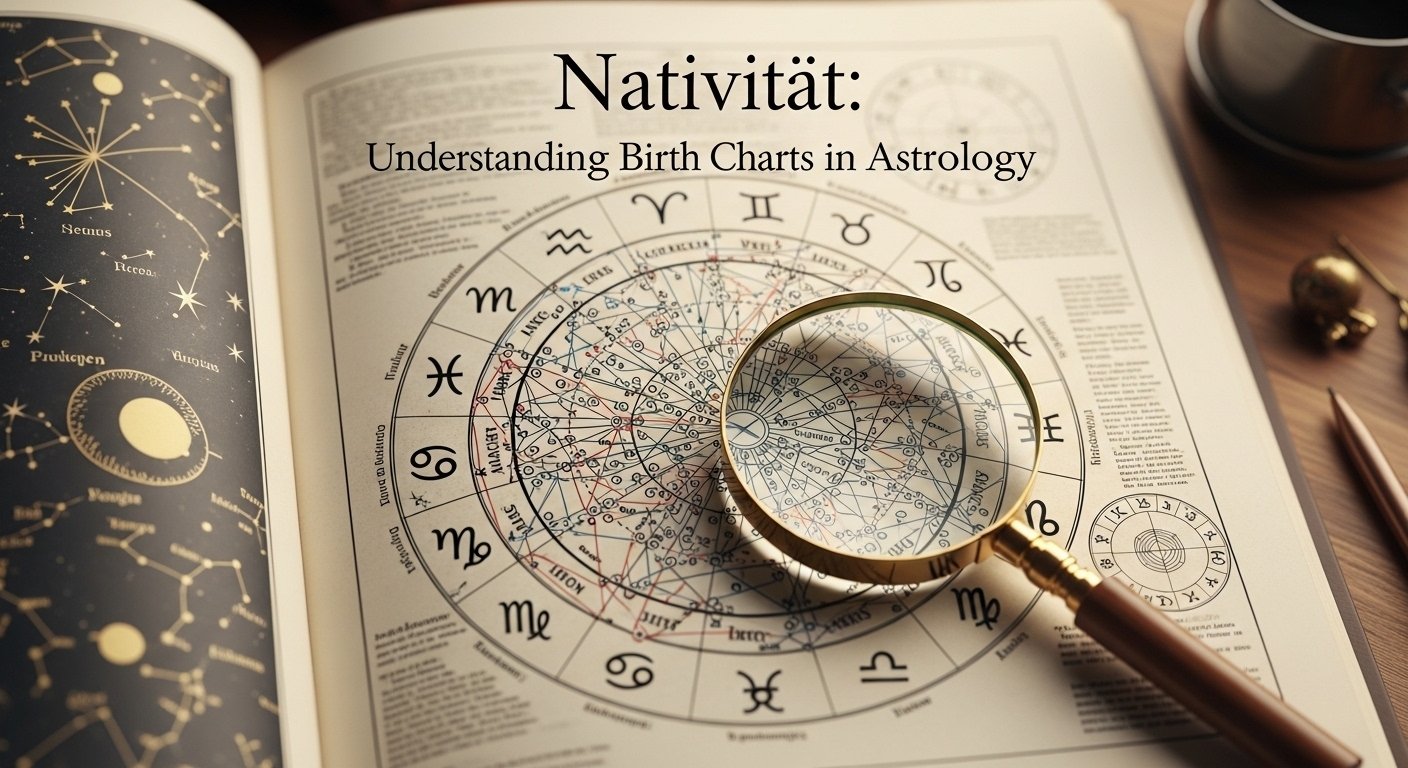
Astrology has fascinated humans for millennia, offering insights into personality, destiny, and life events. Central to this study is the concept of nativität, which refers to the arrangement of celestial bodies at the moment of a person’s birth. Understanding this unique configuration provides a foundation for interpreting an individual’s birth chart, or Radix, and offers guidance in various aspects of life.
In this article, we will explore the meaning of nativität, how birth charts are constructed, the key components of astrology, and practical ways to use this knowledge for personal growth.
What is Nativität?
The term nativität comes from the Latin word nativitas, meaning “birth.” In astrology, it describes the precise positions of planets, the sun, the moon, and other celestial points at the exact moment of a person’s birth. This arrangement is considered unique to each individual and is believed to influence personality traits, behaviors, and potential life paths.
You Might Also Like: Beit Bart
Historically, the process of creating a nativität was sometimes referred to as “Stellen der Nativität,” a now-outdated term for drafting a birth chart. Modern astrology focuses on generating detailed horoscopes based on accurate birth data, including date, time, and location.
The Importance of Birth Time in Nativität
Accurate time of birth is essential in calculating a nativität because planetary positions change continuously. Even a few minutes can affect the positions of the moon and ascendant, significantly altering the interpretation of the chart.
Astrologers rely on precise birth times to determine:
- Ascendant sign (Rising Sign): Reveals how others perceive you and your approach to life.
- House placements: Defines which areas of life are influenced by each planetary position.
- Planetary aspects: Connections between planets that shape personality and destiny.
Without an exact birth time, the nativität can be approximated, but the insights may be less accurate.
Components of a Nativität
A complete nativität, or birth chart, includes several essential components:
Planets
The planets represent core drives, energies, and aspects of personality. For example:
- Sun: Core identity and life purpose.
- Moon: Emotions, intuition, and inner needs.
- Mercury: Communication, learning, and reasoning.
- Venus: Love, values, and relationships.
- Mars: Energy, ambition, and motivation.
- Jupiter: Growth, luck, and wisdom.
- Saturn: Discipline, structure, and challenges.
- Uranus, Neptune, Pluto: Generational influences and transformative energies.
Zodiac Signs
Each planet resides in a zodiac sign in a nativität, which colors its expression. For example:
- Sun in Aries indicates an energetic, pioneering personality.
- Moon in Cancer emphasizes emotional depth and nurturing tendencies.
- Venus in Libra reflects harmony-seeking in relationships.
The combination of planets and signs creates a unique personality profile.
Houses
A nativität divides the sky into twelve houses, each representing a different area of life:
- Self and personality
- Finances and possessions
- Communication and learning
- Family and home
- Creativity and romance
- Work and health
- Partnerships
- Transformation and shared resources
- Higher learning and travel
- Career and reputation
- Friendships and community
- Spirituality and hidden matters
Planets placed in specific houses indicate which areas of life will be most influenced.
Aspects
Aspects are angles between planets that affect their energy:
- Conjunctions (0°): Intensifies planetary influence.
- Squares (90°): Creates tension and challenges.
- Trines (120°): Indicates harmony and ease.
- Oppositions (180°): Represents balance or conflict between forces.
This is a nativität chart highlight strengths, challenges, and potential growth areas.
Historical Perspective on Nativität
Astrology and nativität have deep historical roots. Ancient civilizations such as the Babylonians, Greeks, and Romans used celestial observations to understand human behavior and predict life events. Medieval astrologers refined the practice, producing intricate birth charts and interpretations that remain influential today.
The practice of “Stellen der Nativität” allowed astrologers to advise rulers, plan important events, and explore philosophical questions about destiny and free will.
Practical Uses of Nativität
A well-analyzed nativität can offer valuable insights across multiple domains:
Personal Development
Understanding your planetary influences can help:
- Identify strengths and weaknesses
- Improve emotional intelligence
- Enhance decision-making skills
Relationships
Comparing nativität charts (synastry) can reveal compatibility, communication styles, and potential challenges between partners.
Career and Life Choices
Birth charts can highlight vocational strengths, preferred environments, and potential obstacles in professional life.
Spiritual Growth
Some use their nativität as a guide for self-awareness, meditation, or personal transformation, exploring patterns of karma, soul lessons, or life purpose.
Common Misconceptions
Despite its popularity, astrology and nativität are often misunderstood:
- It’s not deterministic: A birth chart suggests tendencies, not fixed outcomes.
- Charts are unique: No two nativität charts are identical, even for twins.
- Interpretation matters: Accuracy depends on the astrologer’s skill and understanding.
Recognizing these nuances ensures a balanced approach to astrology.
How to Read Your Nativität
Reading a nativität involves:
- Identifying planetary positions and zodiac signs.
- Understanding house placements and areas of influence.
- Analyzing aspects for interaction between planetary energies.
- Considering the chart holistically rather than in isolation.
With practice, one can unlock a deeper understanding of personality, behavior, and potential life experiences.
Digital Tools and Nativität
Modern astrology has benefited from technology:
- Online calculators generate accurate nativität charts instantly.
- Mobile apps provide personalized interpretations.
- Software allows for comparisons and tracking planetary transits.
While traditional study is valuable, digital tools make astrology accessible to a broader audience.
Ethical Considerations
Astrologers emphasize responsible use of nativität charts:
- Avoid using astrology to manipulate or control others.
- Use insights for guidance rather than fear-based decisions.
- Respect privacy and confidentiality when interpreting someone else’s chart.
Responsible practice ensures astrology remains a positive, educational tool.
Conclusion
The concept of nativität provides a comprehensive framework for understanding an individual’s personality, strengths, and potential challenges. By studying planetary positions, zodiac signs, houses, and aspects, one gains insight into life patterns and personal growth opportunities.
From historical roots to modern applications, nativität remains a central pillar of astrology, blending science, art, and intuition. Whether used for personal reflection, relationship guidance, or career planning, a well-analyzed birth chart can illuminate pathways toward a more intentional, self-aware life.
Embracing the study of nativität offers not only a window into one’s inherent nature but also a roadmap for navigating life’s complexities with insight, confidence, and clarity.